
Neurological impairment and WPI in NSW CTP claims
Neurological impairment can involve the brain, spinal cord, nerve roots, cranial nerves or peripheral nerves. The assessment must identify the affected part of the nervous system and the functional effect.
Neurological WPI in NSW CTP usually needs more than symptoms. The report should connect diagnosis, objective neurological signs, test results, functional impact and the correct Motor Accident Guidelines or AMA4 method.
Key points to check
Use these points to match the guide to the document or issue you are dealing with.
Can radiculopathy affect threshold injury and WPI?
Yes. Radiculopathy is relevant to threshold injury classification and may also matter in permanent impairment assessment, but the tests and consequences need to be kept clear.
Does a normal scan defeat a neurological claim?
Not necessarily. The assessment depends on the injury and method. Clinical signs, specialist opinion and functional evidence may still be important.
Can brain and spinal impairment be combined?
Sometimes separate impairments may be combined if the relevant method permits it. The report should explain the values and combination step.
Crash injuries and functional effects
The nervous system is not one single category
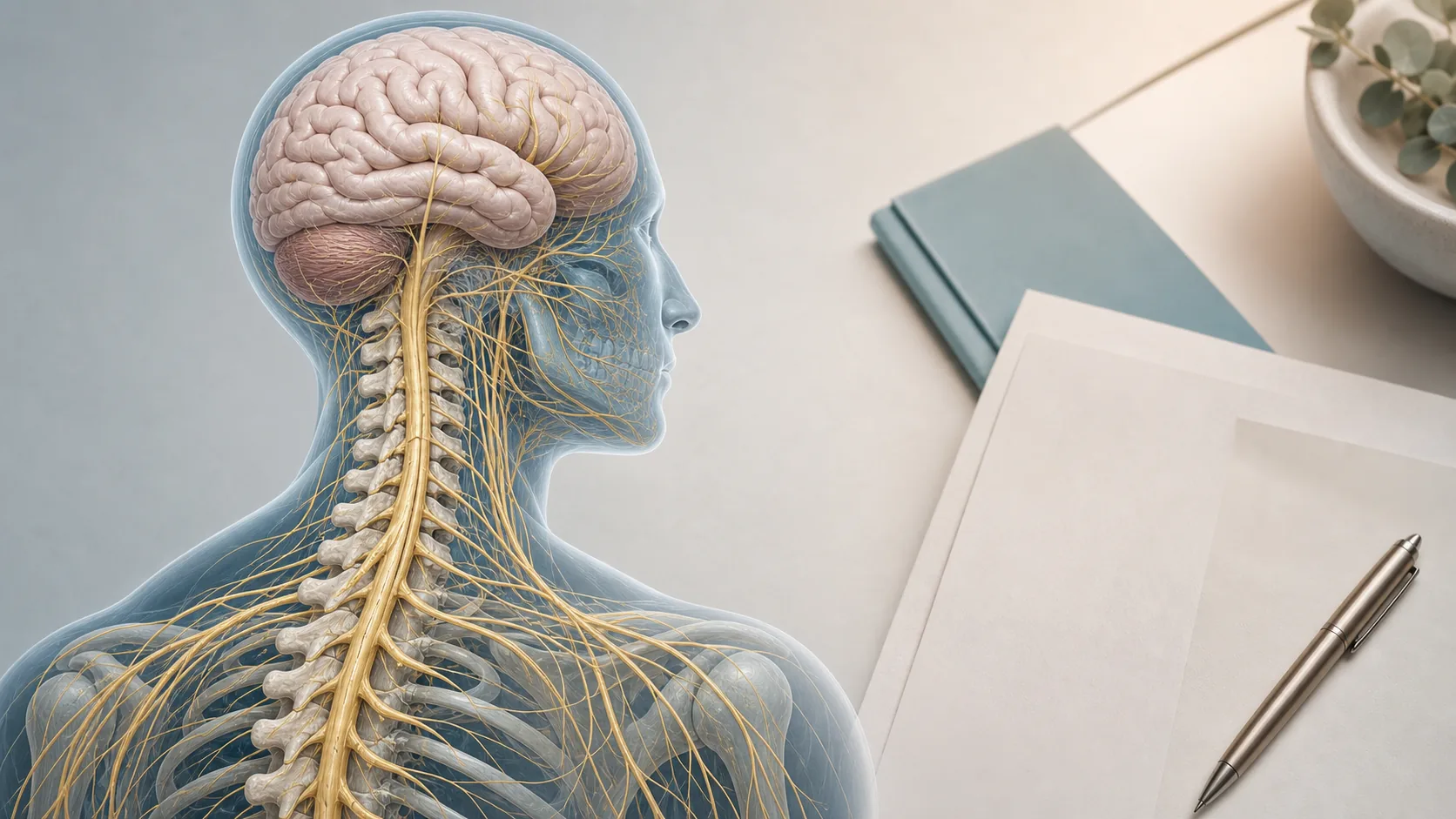
AMA4 Chapter 4 separates brain, brain stem, cranial nerves, spinal cord, nerve roots and peripheral nerves. NSW CTP reports should identify which part is being rated.
Objective signs matter
For radiculopathy, the Motor Accident Guidelines require at least two recognised clinical signs. For other neurological injuries, the evidence may include neurological examination, imaging context, neuropsychology, vestibular or functional testing.
Daily function still matters
Neurological impairment often affects walking, balance, dexterity, bladder or bowel function, communication, cognition, sleep or safety. The report should explain the real functional impact, not just the diagnosis.
Clinical tests and findings
Diagnosis
Neurologist, neurosurgeon, rehabilitation, neuropsychology or other specialist evidence where appropriate.
Objective findings
Reflex, strength, sensory, gait, balance, cranial nerve, cognitive or other test findings.
WPI, threshold injury and treatment approval are separate questions
WPI measures permanent impairment. Threshold injury classification asks a different statutory question about the nature of the injury. A person can have an important treatment or work-capacity dispute even where WPI has not yet been assessed, and a WPI result does not decide threshold injury by itself.
Treatment approval is also separate. It usually turns on whether the proposed treatment is accident-related and reasonable and necessary in the circumstances. A diagnosis, operation or WPI percentage does not automatically require the insurer to approve a particular treatment, and treatment approval does not automatically create a common law damages entitlement.
Compare the threshold injury and treatment refusal guides before responding to a mixed insurer decision. Threshold injury guide · Treatment refusal guide
How WPI is assessed
Multiple neurological effects may need combining
Where separate parts of the nervous system or other body systems are impaired, the report should explain the separate ratings and any Combined Values Chart step.
Why neurological timing matters
Neurological signs can change as swelling settles, treatment progresses or nerve recovery occurs. A report should explain whether the presentation is stable enough for permanent impairment assessment and whether symptoms are supported by objective findings. For radiculopathy, that means looking for the required clinical signs rather than relying only on pain down an arm or leg. For brain, spinal cord or peripheral nerve injury, the same discipline applies: the diagnosis, examination, test results and functional consequences should point in the same direction before the WPI opinion is treated as reliable.
Separating diagnosis from impairment
A neurological diagnosis does not automatically produce a particular WPI. The assessment still needs to identify the measurable impairment caused by the diagnosis, such as sensory loss, weakness, gait disturbance, cognitive change, continence problems or loss of coordination. That distinction matters because insurers may accept that an injury occurred while still disputing the degree of permanent impairment.
Evidence checklist
Functional impact
Work capacity, walking tolerance, hand function, communication, memory, fatigue, safety and self-care evidence.
Method
Correct body-system chapter, NSW modification, conversion and combination reasoning.
Common traps
- Symptoms alone may not satisfy a neurological WPI method.
- Radiculopathy has a specific two-sign test under the Motor Accident Guidelines.
- Brain injury assessment may require more than a normal scan.
- Overlapping methods should not be double counted.
What to do next
- Identify the exact neurological issue in dispute.
- Collect treating neurological and rehabilitation evidence.
- Record function over ordinary weeks, not only appointment days.
- Check whether the report explains the guideline method.
- If the report overlooks objective signs, consider a targeted challenge.
Assessment source
Assessment source: Motor Accident Guidelines Part 6, clauses 6.156-6.176; Table 6.8 for radiculopathy and Tables 6.9-6.10 for cognitive impairment where applicable.
Source note: This page paraphrases the NSW Motor Accident Guidelines and AMA4 impairment framework for general information. It does not reproduce AMA tables or replace medical or legal advice.
Frequently asked questions
- Can radiculopathy affect threshold injury and WPI?
- Yes. Radiculopathy is relevant to threshold injury classification and may also matter in permanent impairment assessment, but the tests and consequences need to be kept clear.
- Does a normal scan defeat a neurological claim?
- Not necessarily. The assessment depends on the injury and method. Clinical signs, specialist opinion and functional evidence may still be important.
- Can brain and spinal impairment be combined?
- Sometimes separate impairments may be combined if the relevant method permits it. The report should explain the values and combination step.