
Serious injuries after a car accident (NSW)
If you’ve suffered a serious injury after a motor accident, you’ll usually be dealing with two tracks at once: your medical recovery and the claim process. NSW CTP matters can also involve insurer decisions about treatment approval, weekly payments, work capacity, threshold injury, WPI, common law damages readiness and the correct Personal Injury Commission pathway.
This hub links to diagnosis-specific pages and explains how to organise evidence around the actual insurer decision. General information only; the right pathway depends on the injury, the written insurer reason, and the live deadline.
Serious injury pages
Evidence pack
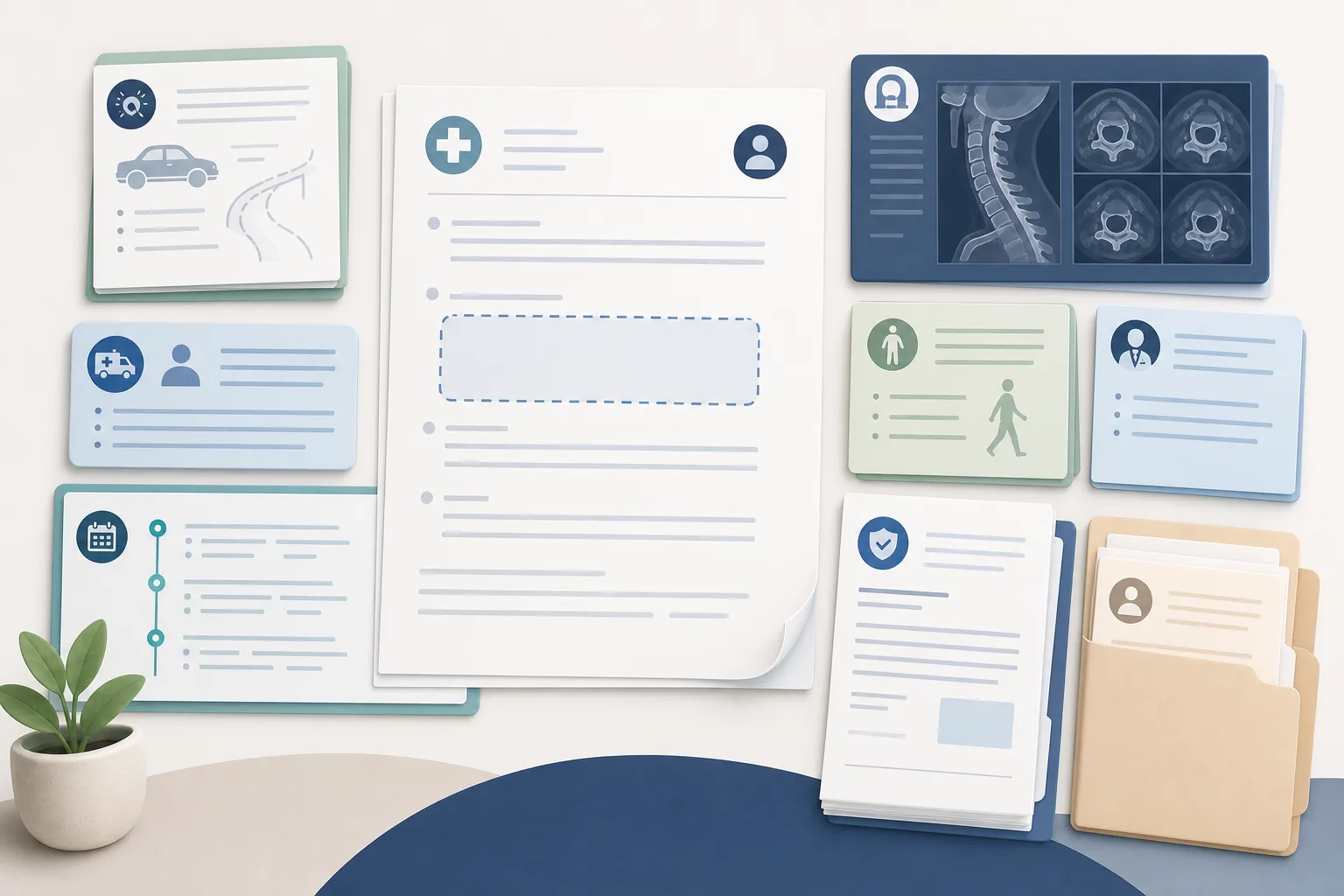
What to collect before a serious injury review or PIC step
- hospital discharge summaries, ambulance notes and early GP entries showing the accident mechanism and first symptoms
- imaging, specialist reports and treatment plans that connect diagnosis, causation and functional restrictions
- certificates of capacity, duties, rosters, wage evidence and employer notes if work capacity or weekly payments are affected
- rehabilitation, surgery, psychology or pain-management recommendations with reasons, goals and expected functional benefit
- a dated symptom and activity timeline showing flare-ups, medication changes, sleep impact and practical limits over time
Match the serious injury to the insurer decision
The same diagnosis can create different NSW CTP problems. A spinal injury may involve surgery approval, weekly payments, WPI, an IME report and common law damages readiness. Keep each issue separate so the evidence answers the decision that is actually live.
Treatment approval or surgery refusal
Map the refusal reason to the treating recommendation, quote, clinical notes and functional goal. Do not answer a surgery dispute with a generic injury summary.
Open related guide →
Weekly payments or capacity for work
Separate the diagnosis from the actual work-capacity question: duties, hours, restrictions, certificates, suitable work and earnings impact.
Open related guide →
Threshold injury, WPI or damages pathway
Serious symptoms may still need method-specific evidence for threshold, WPI greater than 10%, causation and non-economic loss issues.
Open related guide →
IME or PIC medical pathway
If an IME report drives the decision, respond to the assumptions, examination findings, missing records and correct PIC medical stream.
Open related guide →
What usually matters in serious injury CTP claims
- Early documentation: symptoms, mechanism of injury, functional limits, and treatment.
- Specialist evidence: the right specialist depends on the diagnosis (for example neurology, neurosurgery, orthopaedics, psychiatry).
- Functional impact over time: ability to work, study, care for yourself, and daily activities.
- Treatment approvals: disputes can arise about what is “reasonable and necessary”.
If you need help quickly, use the enquiry form — we can discuss the next step and what evidence usually matters.
Frequently asked questions
- Is a serious injury automatically “non-threshold” in NSW CTP?
- Not always. The legal classification depends on the statutory definitions, the guidelines, and the medical evidence. If an insurer has made a classification decision, there may be review pathways.
- What should I do first if I have a serious injury after a crash?
- Prioritise medical treatment and ensure your injuries and symptoms are documented early. Preserve evidence about the crash and your functional impact. Strict time limits can apply in NSW CTP matters.
- Do serious injury CTP matters often involve disputes?
- They can. Disputes often involve causation, treatment approvals, work capacity, injury classification and medical issues. Some disputes may be determined through the NSW Personal Injury Commission (PIC) depending on the decision type.
- What evidence usually matters most?
- Consistent medical records, specialist reports, imaging where relevant, and clear evidence of functional impact over time. The right evidence depends on the diagnosis and the issues in dispute.
- What if the insurer approves some treatment but refuses surgery, rehabilitation or psychology?
- Treat that as a decision-specific evidence problem. Ask for written reasons, match the refusal to the treating recommendation, and prepare the review material around clinical need, functional goals, alternatives tried, and why the proposed treatment is reasonable and necessary.
- Can a serious injury still involve a WPI or threshold dispute?
- Yes. Severe symptoms do not automatically settle the legal pathway. WPI, threshold injury, causation and treatment disputes can still arise, so the medical evidence should be organised around the exact insurer decision being challenged.