
NSW CTP insurer claim pages
If you need the right NSW CTP insurer page quickly, start with the insurer named on the at-fault vehicle green slip or insurer letter. The correct page below gives you the contact route, claim-start steps, and dispute pathway before time-sensitive review rights are missed.
Summary
Choose your insurer page below to get direct contact details and a practical claim-start checklist, but first make sure you have the right NSW CTP insurer entity. If the insurer identity is still fuzzy or your deadline is close, protect time first and then supplement the evidence. If the letter also raises PAWE, weekly payments, treatment, IME, threshold injury, WPI or PIC wording, use the CTP claim lawyers NSW guide to frame the first legal enquiry around the exact decision and evidence gap, not a promised result.
Urgent action
If payments have been reduced or stopped, or your deadline is under 7 days, preserve the right first and perfect the bundle second.
Internal review guideNSW CTP insurer directory
Select the insurer for the at-fault vehicle to access contact details and specific lodgement guides.
AAMI CTP Claim
AAI Limited t/a AAMI
Use the AAMI CTP claim lawyer NSW review guide when an AAI Limited, AAMI, or Suncorp-branded letter affects treatment, weekly payments, PAWE, threshold injury, or a PIC pathway.
Allianz CTP Claim
Allianz Insurance Australia Limited
Open the Allianz CTP claim NSW review guide when an Allianz decision letter, treatment refusal, weekly payment change, PAWE question, threshold injury issue, or PIC pathway needs an evidence-indexed response.
NRMA CTP Claim
Insurance Australia Group NRMA MAI Claims
Use the NRMA guide when IAG/NRMA file identity, weekly payments, treatment approval, PAWE, threshold injury, or a review deadline needs a clean evidence pack.
GIO CTP Claim
AAI Limited t/a GIO
Use the GIO guide when Suncorp or AAI branding, treatment evidence, weekly payments, PAWE, threshold injury, or PIC preparation needs to be separated by issue.
Youi CTP Claim
Youi NSW CTP Insurance
Use the Youi guide when the first pack, deadline note, medical certificate, wage evidence, or review supplement plan needs to be organised before contact.
QBE CTP Claim
QBE Insurance (Australia) Limited
Official insurer check before you open an insurer page
Before you rely on a brand name, cross-check the operative insurer against the SIRA NSW CTP insurer list, the decision letter, the claim number, and the registration or green slip material you already hold. If those details do not line up, preserve the earliest deadline first and ask in writing for the exact NSW CTP insurer entity and file identity.
Check the current SIRA NSW CTP insurer list →AAMI or AAI Limited letter: open the AAMI guide first
If your NSW CTP correspondence names AAMI, AAI Limited, or a Suncorp claims contact, use the dedicated AAMI CTP claim lawyer NSW review guide before sending an urgent review bundle. The AAMI guide separates insurer identity, treatment evidence, weekly payments, PAWE, threshold injury, liability and PIC pathway issues so one mixed letter does not blur the deadline you need to preserve.
Allianz decision letter: use the Allianz review guide before the bundle drifts
If the operative NSW CTP letter names Allianz, move from general insurer contact to the dedicated Allianz CTP claim NSW review guide before sending a long narrative response. The Allianz guide keeps the claim number, accident details, treatment evidence, weekly payments, PAWE, fault, threshold injury and PIC pathway points under separate headings so a live review date is preserved before later records are added. If you are comparing the older contact-style route, keep it secondary to the current Allianz CTP claim contact page and use the guide for review-ready evidence structure.
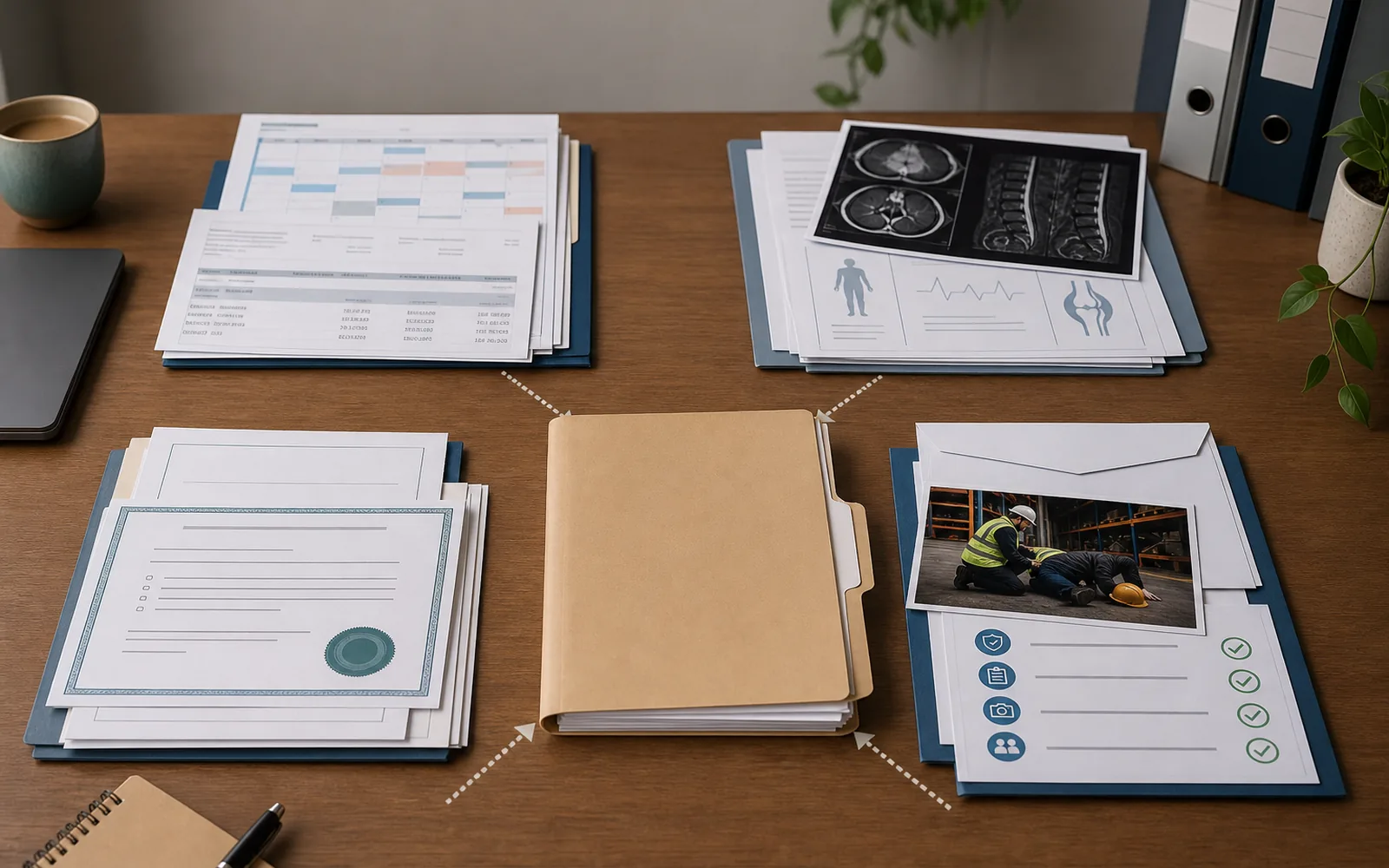
What to do next before you open an insurer page
confirm the actual insurer on the at-fault vehicle rather than relying only on a group brand, shared claims team, or phone-note summary
put the current decision letter, accident summary, medical certificate, and any live statutory deadline into one core pack
separate treatment, weekly payment, threshold, and liability issues if one insurer letter mixes them together
add a one-page evidence index from the first send so later internal review or PIC work does not require a rebuild
If the insurer identity is unclear
Fleet vehicles, lease vehicles, commercial operators, and shared group branding create the easiest wrong-file mistakes in NSW CTP practice. The practical fix is to lock down the actual insurer entity first, rather than assuming the first familiar brand on the phone or in a generic claims email is enough.
- match the registration or green slip evidence against the actual insurer named on the operative letter, not just a group brand
- check whether the vehicle was fleet-owned, leased, or commercially operated before assuming the first familiar brand is the right NSW CTP file
- if time is short, lodge the core rights-preservation pack on the best available insurer record and say expressly that insurer identity is still being confirmed
If one insurer letter covers treatment, weekly payments, threshold, PAWE, or liability at the same time
A combined insurer letter often looks like one problem, but in practice it can contain several different decisions. The first 7 days usually decide whether you preserve the correct pathways or let one issue swallow the rest.
Isolate each actual decision and ask in writing for any missing reasons, worksheets, or reports.
Match each issue to the right route — internal review, PIC merit review, or medical dispute.
If a deadline is close, lodge the rights-preserving step first, then supplement with evidence.
Choose the next page from the issue in front of you
If you are not sure whether you need an insurer page, an insurer-identification page, or a Nominal Defendant pathway, start with the factual problem you are facing now.
You know the insurer but need the right contact
Open the insurer page itself when the at-fault vehicle insurer is already known.
Open Lodge guide →You are not sure the insurer is correct
Open the insurer-identification guide if fleet or group branding makes identity unclear.
Open ID guide →The vehicle may be uninsured or unidentified
Open the Nominal Defendant comparison page when vehicle identity is the problem.
Open ND guide →One letter mixes several decisions
Open the pathway map if treatment, weekly payments, and liability issues are colliding.
Open Pathway map →Frequently asked questions
Top questions about starting a NSW CTP claim and interacting with insurers.