
Allianz CTP claim NSW: contact, evidence pack, review and PIC steps
For an Allianz CTP claim in NSW, confirm Allianz is the correct insurer, send a concise evidence pack, and protect any internal review or PIC deadline before waiting for extra documents.
Last reviewed 20 May 2026
Summary
For an Allianz CTP claim in NSW, first confirm Allianz Insurance Australia Limited is the correct insurer on the decision letter, green slip or registration trail. Then send a short written pack that identifies the accident, claimant, vehicle, claim number if known, the benefit issue, the live deadline, and the attached evidence. If Allianz has refused treatment, reduced weekly payments, raised fault or threshold injury, or asked for more material close to a deadline, preserve the review date first and split the response into separate treatment, weekly payment, fault, PAWE, threshold injury or PIC pathway headings.
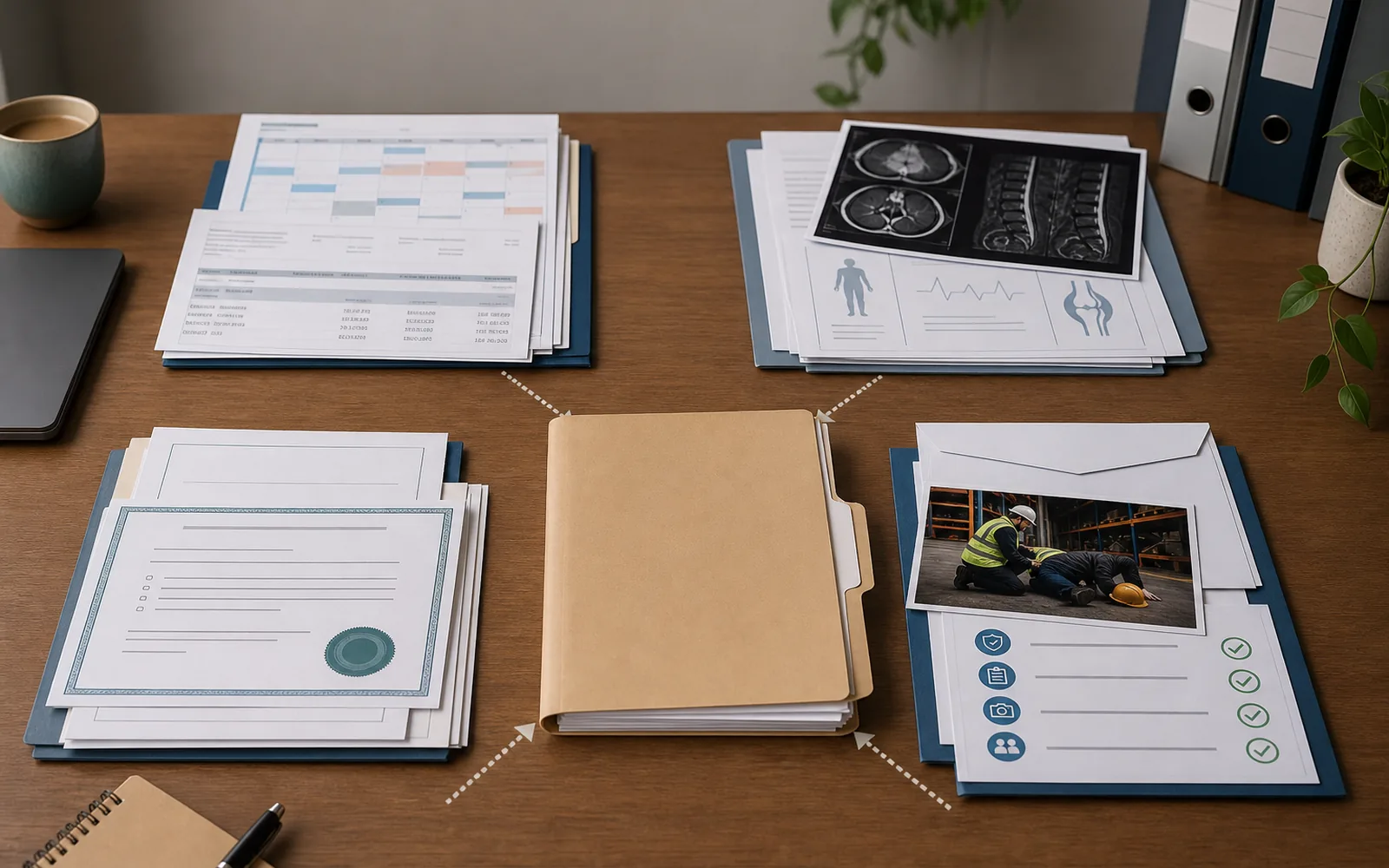
Why this Allianz guide is different from the general insurer hub
This page is for a claimant who already thinks Allianz is the NSW CTP insurer and needs a file-specific next step. The broader insurer hub helps identify possible insurers; this route focuses on confirming the Allianz entity, building a decision-ready evidence pack, and keeping treatment, weekly payment, PAWE, fault, threshold injury, internal review, and PIC issues from being blurred into one generic contact request.
Evidence map
- Allianz decision letter, claim number, accident date, vehicle details, and proof of delivery
- treatment request, clinical reason, quote or plan, and treating practitioner support
- certificate of capacity, wage records, duties, PAWE material, and work-impact chronology
- threshold injury, fault, or PIC pathway documents kept under separate issue headings
Trust and compliance note
NSW CTP Claim is a specialised branch at Stephen Young Lawyers. This guide is general information, not legal advice or a promise of a claim outcome. Contact details and insurer identity should be checked against the current SIRA insurer list and the operative Allianz correspondence before a formal lodgement, review, or PIC step. Last reviewed 20 May 2026.
Allianz decision-letter triage before review or PIC filing
If an Allianz letter has already changed weekly payments, refused treatment, queried PAWE, raised fault, or mentioned threshold injury, read it as a decision map before drafting a response. Write down the date received, the exact words used for the decision, the documents Allianz relied on, and the review or PIC pathway mentioned. Then match each issue to evidence instead of sending one general complaint.
This triage is deliberately conservative: it helps make the Allianz file clearer, but it does not predict whether Allianz will accept liability, continue payments, approve treatment, agree with a PAWE calculation, or resolve a PIC dispute.
Deadline Warning
If your deadline is under 7 days, lodge the core pack now, say what evidence is still coming, and date the supplement plan.
Review guideBefore you contact Allianz
- 1collect accident date, location, registration and involved vehicle details
- 2check the insurer entity on the decision letter or registration evidence, not just the broader group brand
- 3prepare initial medical records and certificate/capacity information
- 4keep receipts and treatment referral chronology
- 5write a short timeline of symptoms, work impact, and treatment progression
Official insurer check before you send anything urgent
Before you lodge, cross-check the insurer against the SIRA NSW CTP insurer list, the operative decision letter, the claim reference, and the green slip or registration material you already have. If the brand, entity name, or contact trail do not line up, preserve time first and ask in writing for the exact NSW CTP insurer entity and file identity.
Check the current SIRA NSW CTP insurer list →Official sources for Allianz review steps
Use these sources to check the legal pathway before treating an Allianz contact as a simple service issue. They do not decide a particular claim, but they frame the insurer list, statutory benefits, review rules, and PIC escalation route.
- SIRA NSW CTP insurer list for checking the current insurer identity.
- Motor Accident Injuries Act 2017 for the statutory benefits and damages framework.
- SIRA Motor Accident Guidelines for claims-handling and assessment guidance.
- Personal Injury Commission motor accidents for dispute pathway information.
If the insurer tells you to lodge, argue, or wait somewhere else
Treat that as a pathway-risk issue, not just a service message. NSW statutory benefits, internal review rights, and PIC time limits do not necessarily pause because an insurer suggests a different forum, another insurer, or more documents first.
- preserve the live NSW deadline first, even if insurer identity, forum, or extra documents are still being argued about
- keep the insurer position in writing, then separate routing questions from treatment, weekly payments, threshold, PAWE, or liability issues
- if the facts may point to an uninsured, unidentified, interstate, or Nominal Defendant pathway, move to that matching route quickly instead of leaving the whole file inside an ordinary insurer-contact loop
Allianz routing notes that matter in practice
Allianz runs a dedicated NSW CTP claims contact path. That makes clean first-contact packs especially useful: a short chronology, the live insurer decision if there is one, and a clear statement of what is being asked for usually work better than long narrative emails. The practical task is not just to reach Allianz; it is to make the claim file, evidence gap, benefit issue, and deadline easy to identify from the first written contact.
Practical checks
- state whether the contact is a first lodgement, update, internal review issue, or PIC-adjacent dispute
- put the accident date, claimant name, and registration near the top of the first page so the file can be matched quickly
- if the issue is treatment refusal or payment reduction, attach the relevant treating support immediately rather than waiting for a perfect bundle
- separate treatment expenses, weekly payments, fault or mostly-at-fault questions, and threshold injury issues so Allianz can respond to each pathway on its own evidence
If there is a live dispute
- If an Allianz decision letter combines multiple issues, separate the response by issue heading so the insurer cannot answer only the easiest point.
- Use a short evidence index from the beginning; it saves time if the matter escalates beyond insurer review.
- Do not assume a request for more records pauses a review or PIC deadline. Preserve the live date first, then send a dated supplement plan for material that is still being obtained.
What to put in the first insurer email or upload
A short, structured first pack usually works better than a long narrative email. The goal is to help the insurer identify the file, identify the issue, and identify the deadline without guessing.
Subject line
Start with claimant name, accident date, registration, and claim number.
Contact type
Say if it is a new lodgement, update, internal review, or urgent dispute.
Deadlines
If a statutory deadline is running, write the exact date to preserve rights.
Attachments
Group by function: decision, accident facts, medical support, and income.
Allianz CTP evidence map by dispute type
Allianz contact details help only if the packet also answers the decision-maker's practical questions: what benefit is affected, what decision is being challenged, what evidence supports the next step, and what date must be preserved. Keep the pack compact, but make each issue reusable for internal review or the Personal Injury Commission (PIC) if the matter does not resolve.
Treatment expenses refused or delayed
Attach the treatment request, clinical notes linking the treatment to the crash injury, provider quote or plan, and any earlier approvals or denials. Say whether the request is urgent because symptoms, capacity, or recovery are deteriorating.
Weekly payments reduced, stopped, or calculated incorrectly
Attach the certificate of capacity, recent payslips or wage records, pre-accident weekly earnings (PAWE) material, current duties, reduced-hours evidence, and a short chronology showing when work capacity changed.
Fault, mostly-at-fault, or threshold injury dispute
Separate liability evidence from medical threshold evidence. Use police material, photos, witness details, repair evidence, early clinical records, imaging, and treating opinions without overstating what any one document proves.
Review or PIC-ready bundle
Put the Allianz decision first, then an issue index, chronology, medical support, wage evidence, and correspondence. If a report is still coming, preserve the live deadline and state the supplement date in writing.
Allianz claim review visual: file, issue, evidence, pathway
Use this as a plain-language handoff before sending material to Allianz. Confirm the Allianz file, protect the live date, and sort the evidence by decision type before sending a broad complaint.
Confirm the Allianz file
Match the decision letter, claim number, green slip or registration trail, and contact details before arguing the substance.
Name the live issue
Separate treatment, weekly payments, PAWE, fault, threshold injury, and PIC pathway questions into their own headings.
Attach proof by issue
Put medical support with treatment issues, wage material with payment issues, and liability material with fault issues.
Preserve the pathway date
Send the core pack before the live review or PIC date, then list any reports or records that will follow by supplement.
When this insurer page is not the right starting point
An insurer contact page helps only when the insurer identity is already reliable and the immediate task is first contact or a clean upload. Use the matching pathway for more complex issues.
Unsure of the insurer file
Start with insurer identification if the brand, entity, fleet ownership, or registration trail is still unclear.
Open guide →Uninsured or unidentified
Move to the Nominal Defendant, uninsured, or unidentified-vehicle pathway that matches the evidence.
Open guide →Mixed insurer decisions
Treat that as a routing problem. The pathway map is the faster way to separate the streams.
Open guide →Full claim-start structure
If you are at the beginning, use the broader lodgement guide first to understand the evidence needed.
Open guide →If your Allianz CTP issue is already disputed
If Allianz has already refused treatment, reduced weekly payments, disputed fault, raised a threshold injury issue, or asked for more material while a deadline is running, treat the contact as a dispute-management step. The safest practical approach is to preserve the live date, identify the exact decision being challenged, and send a compact evidence pack that can later be reused for internal review or the Personal Injury Commission (PIC).
Treatment or care expense issue
Attach the treating referral, clinical reason, quote or plan, prior approvals if relevant, and a short note explaining why the treatment is connected to the motor accident injury.
Weekly payment or work-capacity issue
Include the current certificate of capacity, wage or payslip material, pre-accident work duties, reduced-hours evidence, and any treating comments about functional restrictions.
Fault, threshold, PAWE or PIC pathway issue
Keep each issue under a separate heading. Do not let a threshold injury, PAWE, or fault argument swallow an urgent treatment or weekly payment response.
What a NSW CTP claim lawyer checks in an Allianz file
If you are searching for an Allianz CTP claim lawyer in NSW, the useful first question is not whether the file is difficult. It is which Allianz decision, benefit stream, evidence gap, and deadline need attention now. A lawyer review should keep the claim practical: confirm the insurer file, identify the live review or PIC pathway, and avoid turning one treatment, weekly payment, PAWE, threshold injury, or fault issue into an unfocused general complaint.
Decision and deadline check
Put the Allianz decision, date received, review date, requested outcome, and delivery proof at the front. If the date is close, preserve the review or PIC pathway before chasing a final report.
Medical and treatment evidence check
Match the disputed treatment or threshold injury point to clinical records, referrals, imaging, functional restrictions and treating support. Keep the wording factual and do not overstate medical causation.
Weekly payments and PAWE check
Separate the certificate of capacity, ordinary duties, payslips, tax or business material, reduced-hours evidence and PAWE calculation issue so the income dispute can be reviewed without rebuilding the file.
PIC escalation check
Identify whether the unresolved Allianz issue is medical, merit, miscellaneous, or another pathway before filing. The same indexed bundle should be reusable if the matter moves beyond insurer review.