
NRMA CTP claim NSW: contact, IAG file checks and review steps
For an NRMA CTP claim in NSW, confirm the NRMA/IAG file identity, send a concise evidence pack, and protect review or PIC deadlines before waiting for extra documents.
Last reviewed 8 May 2026
Summary
For an NRMA CTP claim in NSW, first confirm the NRMA/IAG file identity against the decision letter, green slip or registration trail, then send a short written pack that names the claimant, accident date, vehicle details, claim number if known, current medical support, work-capacity impact, and any live review deadline. If NRMA has reduced weekly payments, refused treatment, raised fault or threshold injury, or asked for more information near a deadline, preserve the review date first and separate the treatment, weekly payment, PAWE, liability, threshold injury, and Personal Injury Commission (PIC) issues under clear headings.
Deadline Warning
If your deadline is under 7 days, lodge the core pack now, say what evidence is still coming, and date the supplement plan.
Review guideBefore you contact NRMA
- 1collect accident date, location, registration and involved vehicle details
- 2check the insurer entity on the decision letter or registration evidence, not just the broader group brand
- 3prepare initial medical records and certificate/capacity information
- 4keep receipts and treatment referral chronology
- 5write a short timeline of symptoms, work impact, and treatment progression
Official insurer check before you send anything urgent
Before you lodge, cross-check the insurer against the SIRA NSW CTP insurer list, the operative decision letter, the claim reference, and the green slip or registration material you already have. If the brand, entity name, or contact trail do not line up, preserve time first and ask in writing for the exact NSW CTP insurer entity and file identity.
Check the current SIRA NSW CTP insurer list →If the insurer tells you to lodge, argue, or wait somewhere else
Treat that as a pathway-risk issue, not just a service message. NSW statutory benefits, internal review rights, and PIC time limits do not necessarily pause because an insurer suggests a different forum, another insurer, or more documents first.
- preserve the live NSW deadline first, even if insurer identity, forum, or extra documents are still being argued about
- keep the insurer position in writing, then separate routing questions from treatment, weekly payments, threshold, PAWE, or liability issues
- if the facts may point to an uninsured, unidentified, interstate, or Nominal Defendant pathway, move to that matching route quickly instead of leaving the whole file inside an ordinary insurer-contact loop
NRMA routing notes that matter in practice
NRMA branding can be straightforward for claimants, but the underlying entity and claims administration details still need to match the actual insurer file. Where letters, portal messages, or email signatures use different corporate labels, keep copies of each version so insurer identity is not left fuzzy later.
Practical checks
- keep the insurer letter, envelope or email header, and any registration/greenslip confirmation together in one section of your file
- if first contact is by phone, follow up in writing the same day with the core facts and what you were told
- if there is a work-capacity or payment problem, include the latest certificate and wage impact summary immediately
If there is a live dispute
- When a decision affects cash flow, treat delay as a risk issue, not a paperwork issue: preserve the deadline first, then expand the evidence pack.
- If the insurer reasoning is vague, ask for the exact basis of the decision and the material relied on before drafting a broad response.
What to put in the first insurer email or upload
A short, structured first pack usually works better than a long narrative email. The goal is to help the insurer identify the file, identify the issue, and identify the deadline without guessing.
Subject line
Start with claimant name, accident date, registration, and claim number.
Contact type
Say if it is a new lodgement, update, internal review, or urgent dispute.
Deadlines
If a statutory deadline is running, write the exact date to preserve rights.
Attachments
Group by function: decision, accident facts, medical support, and income.
NRMA CTP evidence map by review risk
NRMA contact details are useful only if the file is also ready for the next decision. A practical NRMA pack should confirm the insurer identity, show the accident and vehicle trail, identify the benefit stream affected, and preserve any internal review or Personal Injury Commission (PIC) date before extra reports are chased.
NRMA or IAG file identity is unclear
Keep the NRMA decision, portal message, email signature, claim number, registration or green slip material, and any IAG-labelled correspondence together. If the labels do not match, ask NRMA to confirm the exact NSW CTP insurer entity and file identity in writing.
Treatment expenses are refused or delayed
Send the operative NRMA decision, treating referral, clinical reason, provider quote or plan, and notes linking the treatment to the motor accident injury. If recovery or capacity is worsening, say why the request needs urgent review.
Weekly payments, PAWE, or work capacity are disputed
Include the current certificate of capacity, payslips or wage records, pre-accident weekly earnings (PAWE) material, ordinary duties, reduced-hours evidence, and a short chronology explaining when earning capacity changed.
Fault, threshold injury, or PIC pathway risk
Separate liability evidence from medical threshold evidence. Put the NRMA decision first, then an issue index, chronology, medical support, wage evidence, and correspondence so the same bundle can move to PIC if needed.
How to choose the next NRMA review pathway
The next NRMA step depends on the decision type, not just the insurer brand. If the issue is treatment, weekly payments, PAWE, fault, threshold injury, or medical assessment, identify the exact statutory stream first, then build the evidence pack around that stream. This page is general information only, and the correct pathway can change with the letter wording and the time already elapsed.
Treatment or care refusal
Match the NRMA decision to the requested treatment, referral, clinical reason, provider quote, and recovery impact. If the treatment is urgent, say why delay may worsen symptoms, function, or return-to-work capacity.
Weekly payments, PAWE, or earning capacity
Use the current certificate of capacity, payslips, tax or business records where relevant, ordinary duties, reduced-hours evidence, and a short work-impact chronology. Do not let an insurer-identity question obscure the live income decision.
Fault, threshold injury, or PIC escalation
Separate accident-mechanism evidence from medical threshold evidence. Put the NRMA decision, review request, medical records, wage evidence, and correspondence in an indexed bundle that can move into the Personal Injury Commission (PIC) if required.
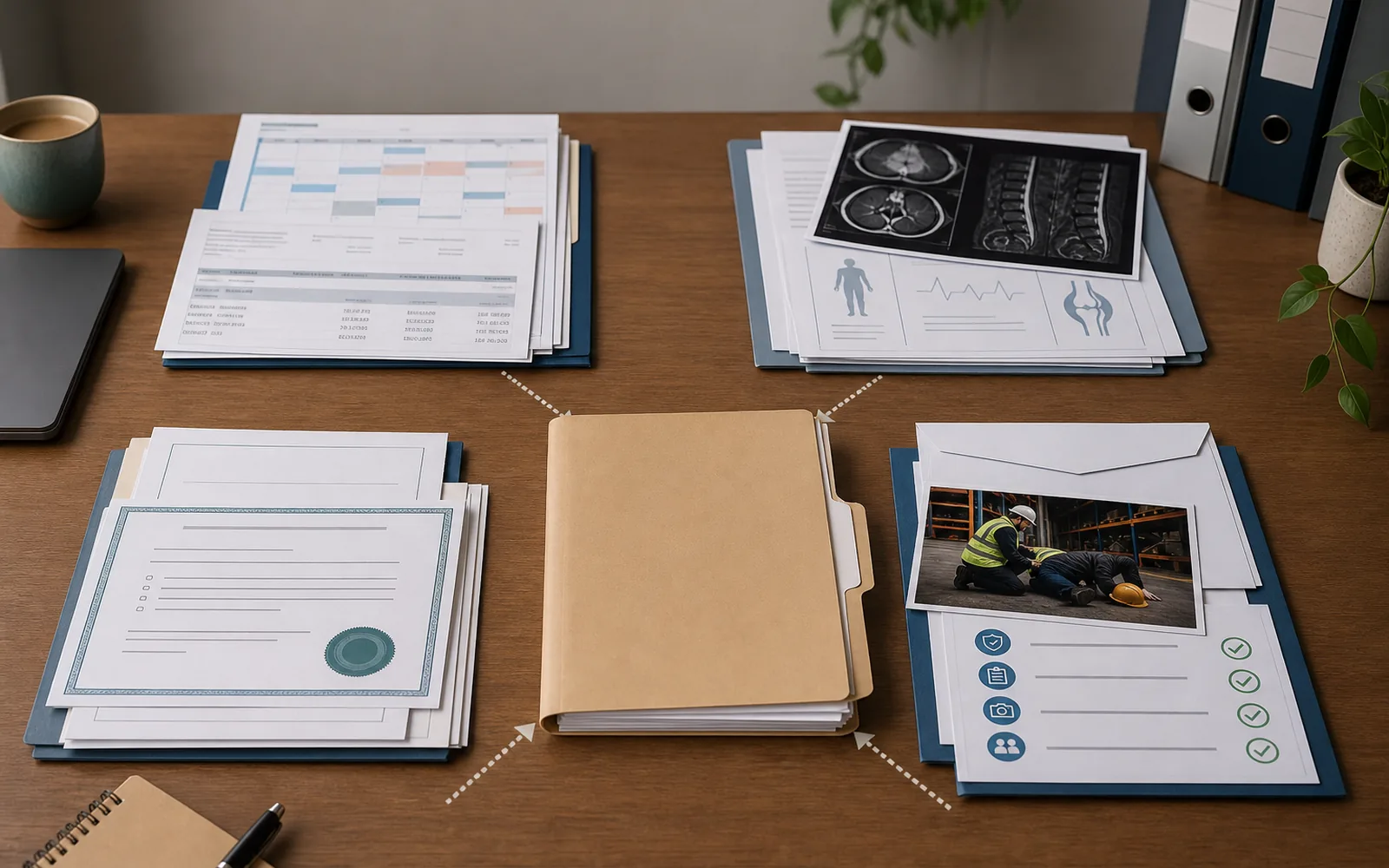
NRMA CTP claim checklist for a review-ready file
If you are asking NRMA to open, reconsider, or clarify a CTP claim, write for the person who may need to read the file later. The pack should answer five practical questions: who is the claimant, which vehicle and insurer file is involved, what decision or benefit stream is live, what date must be protected, and which evidence supports the next step.
File identity and contact trail
Keep the NRMA or IAG letter, claim number, green slip or registration evidence, portal receipt, email signature, and any written identity confirmation together. If names differ, make the file-identity question explicit without delaying the live review step.
Medical and treatment evidence
Attach early hospital or GP records, the current treatment request, referral, quote or plan, and treating reasons that connect the expense to the motor accident injury. Keep symptoms, function, and recovery impact factual.
Work capacity and income evidence
Use the current certificate of capacity, job duties, reduced-hours records, payslips, tax or business records where relevant, and pre-accident weekly earnings (PAWE) material. Explain the income impact in a short dated chronology.
Escalation-ready issue index
Separate treatment, weekly payments, PAWE, liability, threshold injury, and Personal Injury Commission (PIC) issues. An indexed pack reduces the risk that an urgent income or treatment point gets buried under a broader insurer-identity argument.
When this insurer page is not the right starting point
An insurer contact page helps only when the insurer identity is already reliable and the immediate task is first contact or a clean upload. Use the matching pathway for more complex issues.
Unsure of the insurer file
Start with insurer identification if the brand, entity, fleet ownership, or registration trail is still unclear.
Open guide →Uninsured or unidentified
Move to the Nominal Defendant, uninsured, or unidentified-vehicle pathway that matches the evidence.
Open guide →Mixed insurer decisions
Treat that as a routing problem. The pathway map is the faster way to separate the streams.
Open guide →Full claim-start structure
If you are at the beginning, use the broader lodgement guide first to understand the evidence needed.
Open guide →