
Complex regional pain syndrome
CRPS affecting the lower limb after a motor accident
Lower-limb CRPS is not rated from severe pain or the diagnosis label alone. Clauses 6.107 and 6.108 reject the old lower-limb causalgia/RSD method and apply the CTP CRPS criteria and method in clauses 6.61 to 6.64.
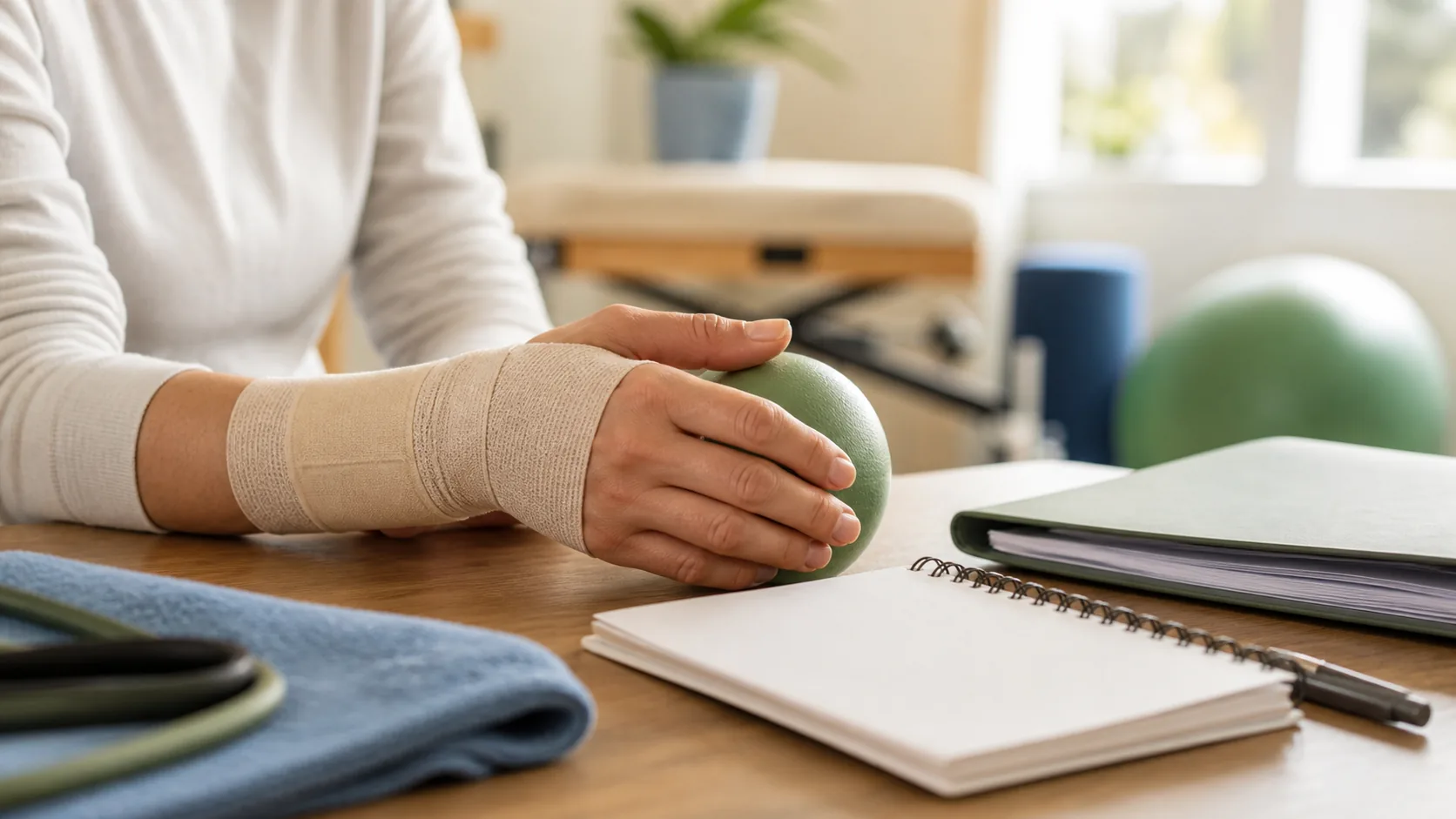
Motor accident injury
How can this injury happen?
Car or passenger collision
Foot, ankle, knee or leg fracture, surgery or nerve injury after a collision may precede CRPS.
Motorcycle accident
A crush, fracture or nerve injury in a motorcycle accident may trigger persistent regional signs.
Pedestrian or cyclist impact
Lower-limb impact, fracture or surgery may be followed by disproportionate regional symptoms and objective signs.
Injuries that can occur
- CRPS I without verified named nerve injury
- CRPS II with verified peripheral nerve injury
- regional movement restriction and sensory disturbance
- vasomotor, sudomotor, trophic and swelling changes
Symptoms and functional problems
- burning or touch-evoked regional pain
- temperature or colour asymmetry
- sweating change, swelling or trophic change
- marked movement and weight-bearing restriction
Seek urgent medical assessment
Rapid swelling, colour change, severe calf pain, infection signs or new neurological loss needs urgent assessment to exclude vascular, infectious or neurological causes.
Clinical evidence
What findings matter?
The diagnosis and assessment must document at least eight of the eleven Part 6 criteria. Findings should be recorded over time and alternative explanations excluded; pain severity alone is not enough.
| Record or examination | What it may establish | What it cannot prove alone |
|---|---|---|
| CRPS criteria examination | Records pain, sensory, vasomotor, sudomotor, swelling, movement and trophic signs against the 11 criteria. | A diagnostic label without at least eight criteria does not meet the CTP rule. |
| Active joint ROM | Measures movement impairment in affected lower-limb joints. | Guarding and inconsistent effort must be addressed. |
| Nerve and differential diagnosis evidence | Distinguishes CRPS I from CRPS II and excludes vascular, infection or root causes. | A nerve study is not required for CRPS I and does not prove CRPS by itself. |
Movement in daily life
How movement affects real activities
Lower-limb CRPS can affect ankle, hindfoot, toe or knee movement, weight bearing and shoe tolerance. The assessment uses reliable joint movement and the permitted sensory/motor components rather than adding gait or pain separately.
Joint active movement
Walking, stairs, transfers and footwear.
Relevant lower-limb ROM tables contribute to the CRPS method.
Sensory and pain deficit
Touch tolerance, protective sensation and shoe wear.
Table 11a is used within the CTP CRPS method.
Motor deficit in CRPS II
Foot clearance, push-off and control.
Table 12a applies only in CRPS II with verified nerve injury.
Threshold injury is a separate question: CRPS may be non-threshold where the diagnosis and statutory criteria are established. Pain symptoms without a recognised CRPS diagnosis or required findings may remain threshold.
Part 6 permanent impairment
How is CTP WPI assessed?
Clause 6.108 applies clauses 6.61 to 6.64 to the lower limb. CRPS I combines joint ROM with Table 11a sensory/pain without a nerve multiplier; CRPS II combines joint ROM with Table 11a sensory and Table 12a motor. The result is converted under the lower-limb framework.
Measurement rules that apply
- Clauses 6.69 and 6.70 require the method that most specifically addresses the lower-limb impairment. Gait should not replace a joint, nerve, fracture or replacement method that can be applied reliably.
- Clause 6.84 requires active range of motion, a goniometer where clinically indicated and consistent repetitions when reliability is uncertain. Passive movement may inform the examination but does not set the impairment value.
- Clause 6.85 says only the most severe deficit in one direction or axis from the same lower-limb ROM table is rated. Deficits from separate tables may be combined only as the Guidelines permit.
| Method | CTP source | When it is relevant | Important limit |
|---|---|---|---|
| CRPS diagnostic threshold | Clauses 6.62 and 6.108 | At least 8 of the 11 specified criteria. | Pain or diagnosis label alone is insufficient. |
| CRPS I | Clauses 6.63 and 6.108 | Joint ROM plus Table 11a sensory/pain without nerve multiplier. | Do not add a separate pain, gait or nerve value. |
| CRPS II | Clauses 6.64 and 6.108 | Joint ROM plus Tables 11a and 12a with verified nerve injury. | Do not duplicate the named nerve injury. |
- Document at least 8 of 11 criteria.
- Distinguish CRPS I from CRPS II.
- Do not use the old AMA4 lower-limb causalgia/RSD section.
What cannot be combined?
- CRPS with lower-limb peripheral nerve rating
- CRPS with gait, strength or muscle atrophy
- separate pain allowance under AMA4 Chapter 15
What does not establish WPI by itself?
- severe pain
- allodynia alone
- temperature report without examination
- CRPS label without criteria count
Motor accident examples
CRPS I after ankle fracture
The file must establish at least eight criteria; the method then combines affected joint movement and Table 11a sensory/pain without a nerve multiplier.
CRPS II after peroneal nerve injury
The nerve injury distinguishes type II, but it is not rated again as a separate peripheral nerve impairment.
Claim file preparation
Evidence checklist
Practical next steps
What should you do next with a crps lower limb claim?
Start with the insurer's most recent written decision and identify what is actually disputed: treatment, weekly payments or work capacity, threshold injury, permanent impairment, causation, or damages. These are separate questions and may require different evidence and review procedures. Record the date of the decision and every review deadline shown before gathering further material.
- 01
Preserve the claim and the decision under review
Keep the claim number, accident date, insurer letter, certificate of fitness and any internal review or Personal Injury Commission correspondence together. Do not assume that a treatment approval or payment of statutory benefits decides fault, damages eligibility or WPI.
- 02
Obtain evidence that answers the disputed issue
For this injury, the useful starting material includes specialist diagnosis and explicit 11-criterion count and serial colour, temperature, swelling, sweating and trophic findings. Clinical testing may include CRPS criteria examination and Active joint ROM. Ask the treating practitioner to record the diagnosis, accident causation, objective findings, treatment response and current functional limits rather than symptoms alone.
- 03
Use the correct review process
Compare the insurer's reasons with the records it relied on. A threshold-injury decision, treatment refusal, weekly-payment decision and WPI assessment do not all follow the same review process. The decision letter should identify available internal review or dispute steps and the applicable deadline.
If the decision, medical material or deadline is unclear, send the key documents for a focused review before lodging a broad objection. See the CTP disputes guide or contact NSW CTP Claim. Advice depends on the facts, evidence and current law; a review cannot guarantee a claim outcome.
Assessment source
Lower-limb CRPS WPI source
Assessment source: Motor Accident Guidelines v10.1 clauses 6.61-6.64 and 6.107-6.108; AMA4 Tables 11a and 12a; relevant lower-limb ROM tables and Guidelines Table 6.4.
Threshold injury: CRPS may be non-threshold when the recognised diagnosis and criteria are established; pain symptoms alone are not enough.
What the assessor checks
- 8 of 11 criteria
- CRPS I method
- CRPS II method
- old RSD method prohibited
What does not establish the result by itself
- pain
- allodynia
- reported colour change
- diagnosis label
Official sources
Related NSW CTP guides
Free claim check
Review the medical evidence and insurer decision together
Send the accident date, insurer letter, scans or reports and any deadline shown. NSW CTP Claim is a specialised service of Stephen Young Lawyers. Legal services are provided by Stephen Young Lawyers.
Frequently asked questions
- How many CRPS criteria are required?
- Clause 6.62 requires at least eight of the eleven criteria.
- Is severe pain enough?
- No. Pain alone does not satisfy the CTP CRPS criteria or set WPI.
- What is the difference between CRPS I and II?
- CRPS II involves verified peripheral nerve injury; the Part 6 calculation methods differ.
- Can the nerve injury be added again?
- No. The same nerve deficit is included within the CRPS II method and cannot be duplicated.
- Is the old RSD method used?
- No. Clauses 6.107 and 6.108 replace it with the CTP CRPS method.