
Hit-and-run CTP claim guide in NSW
This page explains what to do after a NSW hit-and-run accident when the at-fault vehicle is not identified. Hit-and-run accidents create a common problem: you may not have the at-fault vehicle’s registration or insurer details. That does not always mean you are out of options. In NSW, a Nominal Defendant pathway may apply in some cases, but evidence timing, police records, CCTV attempts, medical history and claim documents matter.
General information only. The correct steps depend on your circumstances, the evidence available, the decision type, and any insurer, internal review or PIC deadline.
Last reviewed: 19 June 2026
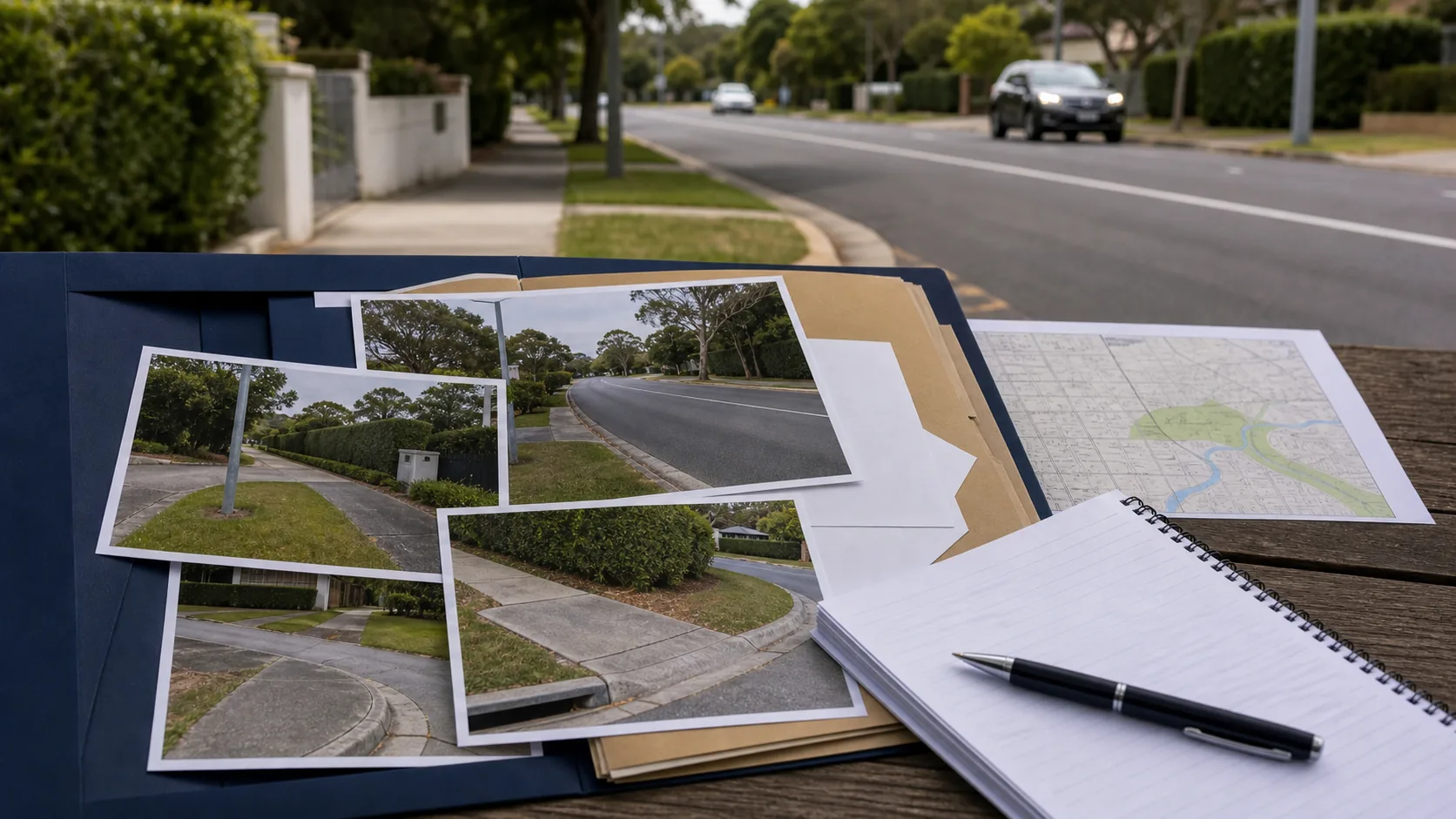
Immediate steps
- This section gives the immediate action list. Get medical treatment and ensure injuries and mechanism are documented.
- Record time, location, vehicle description and any partial rego details.
- Get witness details (especially independent witnesses).
- Identify CCTV and dashcam sources and request preservation urgently.
Nominal Defendant pathway (high level)
This section explains the Nominal Defendant pathway at a high level. The Nominal Defendant can respond to certain claims involving unidentified vehicles, subject to eligibility, due inquiry, search efforts, evidence requirements and time limits.
Read: Nominal Defendant explained.
Evidence that usually matters most
This section explains the evidence that usually matters most. In hit-and-run matters, the quality of the first 24 hours to 72 hours of evidence work often matters more than later explanation. Useful records usually include:
- police event details and any follow-up statement confirming the vehicle left the scene
- witness details, nearby businesses, transport operators, or homes likely to hold CCTV
- photos of debris, paint transfer, skid marks, resting positions, and your own vehicle damage
- ambulance, hospital, GP, and certificate records that consistently describe the crash and symptoms
- proof of urgent attempts to identify the vehicle before footage or memory is lost
증거 시점 map for hit-and-run claims
This table gives a practical evidence timing map. It is not a promise that every claim follows the same deadline, but it helps avoid common gaps when a vehicle has left the scene and footage or witnesses may disappear.
| Timing | What to secure | Why it matters |
|---|---|---|
| 24 hours | Police event number, crash location, time, direction of travel, vehicle description, partial rego, photos and first medical record. | This anchors the story before memories, road debris and vehicle damage context are lost. |
| 48 hours to 72 hours | Written CCTV or dashcam preservation requests to nearby businesses, homes, buses, taxis, rideshare drivers or councils. | Insurers often ask what was done to identify the vehicle before footage was overwritten. |
| 7 days | Claim chronology, witness follow-up, GP certificate, work impact notes, treatment plan and insurer contact record. | A clean chronology helps separate unidentified-vehicle, uninsured-vehicle and known-insurer pathways. |
| 14 days to 3 months | Application documents, Nominal Defendant material, medical evidence, PAWE records and any internal review or PIC issue list. | Later disputes often focus on due inquiry, causation, treatment need, weekly payments or threshold injury classification. |
Common dispute points
This section explains the common dispute points. Hit-and-run claims can still produce the same weekly-benefits, treatment, and threshold disputes seen in other NSW CTP matters, but they also carry extra pressure around identification evidence and pathway eligibility.
- arguments that the vehicle could have been identified if earlier steps had been taken
- causation challenges where the medical history or accident description is inconsistent
- benefit or treatment disputes that need to be preserved through internal review
- confusion between unidentified-vehicle, uninsured-vehicle, and interstate-insurer pathways
If disputes move beyond the insurer, see Personal Injury Commission (PIC), merit review vs medical assessment, and weekly payments stopped.
First 14-day dispute-proofing checklist
This section gives a 14-day dispute-proofing checklist. The first two weeks are usually where avoidable credibility and evidence gaps are created. A practical checklist:
- request and preserve key CCTV sources in writing (so you can prove timing and effort)
- ensure your GP and certificate records consistently describe crash mechanism and functional limits
- keep one claim chronology with dates for police contact, insurer contact, treatment, and work-impact updates
- if benefits are reduced or stopped, move immediately to internal review and prepare for PIC stream selection
For stream selection and escalation planning, use research from official NSW agencies, SIRA motor accident materials and PIC merit review vs medical assessment and PIC overview.
Frequently asked questions
- Can I claim compensation after a hit-and-run in NSW?
- Sometimes. A Nominal Defendant pathway may apply where the at-fault vehicle cannot be identified, subject to eligibility rules, evidence, and deadlines.
- How quickly do I need to act?
- As quickly as possible. CCTV can be overwritten and witnesses can be lost. Early reporting and preservation of evidence can be critical.
- What should I do if I only know part of the rego?
- Record what you know and identify other sources (CCTV, dashcam, witnesses). Partial details can still be helpful in identifying the vehicle.
- What if the insurer says there is not enough evidence?
- Evidence disputes are common. The quality of contemporaneous records (medical history, police information) and independent support can be important. Getting advice early can help.
- Do hit-and-run claims involve the PIC?
- They can. Disputes may arise about eligibility, liability, benefits, threshold injury, and other issues. Some disputes may be determined through the PIC pathway depending on the decision type.