
Pelvic organ injury claim
Urinary and reproductive injury after a motor accident
Pelvic fracture, lap-belt compression, crush injury or spinal cord trauma can damage kidneys, ureters, bladder, urethra or reproductive organs. The CTP assessment does not rate urinary symptoms or sexual difficulty on assertion alone. It identifies the injured structure, objective pathology, permanent function and the relevant AMA4 Chapter 11 method.
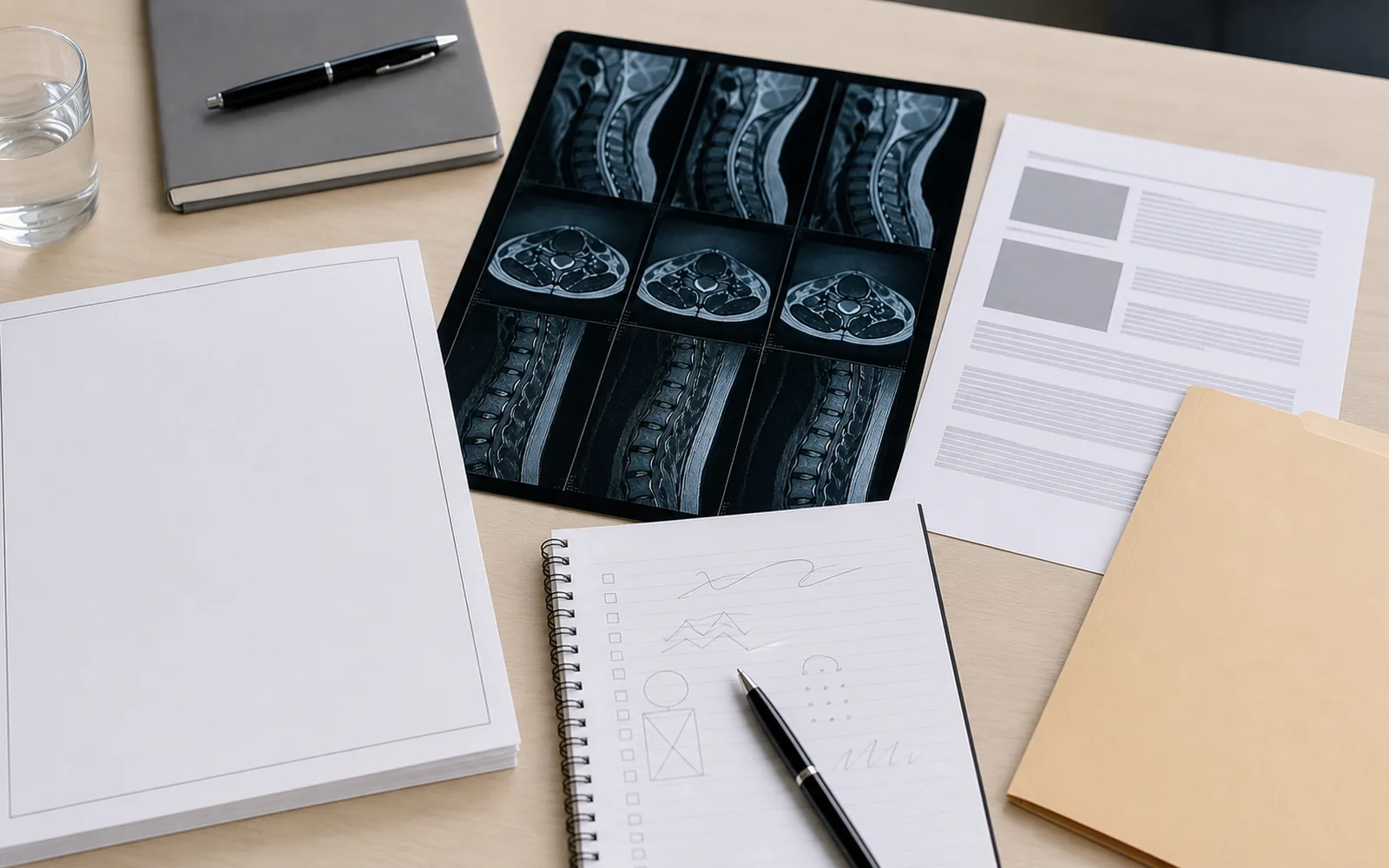
Accident mechanism and diagnosis
How can this injury happen in a motor accident?
Pelvic fracture or crush injury
Bone displacement and shearing can tear the bladder, urethra, ureter or reproductive structures and injure pelvic nerves.
Lap-belt or abdominal compression
A full bladder, kidney or upper urinary tract can be injured by high-force compression.
Spinal cord or cauda equina injury
Neurological damage can cause neurogenic bladder, bowel and sexual dysfunction, requiring objective neurological evidence.
The injuries that may actually occur
- kidney laceration, devascularisation or nephrectomy
- ureteric injury or urinary diversion
- bladder rupture or reduced bladder function
- urethral disruption, stricture or fistula
- testicular, penile, vulval, vaginal, uterine or ovarian injury
- neurogenic bladder or sexual dysfunction from spinal injury
Symptoms and functional effects to document
- blood in urine, flank pain or recurrent infection
- retention, urgency, frequency or incontinence
- reduced urinary stream or need for catheterisation
- sexual dysfunction or pain supported by objective pathology
- fertility, menstrual or reproductive consequences after organ injury
Urgent health warning
Inability to pass urine, blood in urine after pelvic trauma, severe flank pain, genital injury, fever with urinary obstruction or new bladder loss with saddle numbness requires urgent care.
Medical evidence
What tests and findings matter?
The file must distinguish traumatic bladder or urethral damage from neurological incontinence and from unrelated urinary disease. Sexual or reproductive consequences require sensitive, specialist evidence and objective pathology.
| Test or record | What it can establish | What it cannot establish alone |
|---|---|---|
| CT urogram, cystogram or pelvic imaging | Identifies kidney, ureter, bladder, urethral or reproductive-organ injury and repair. | An acute injury shown on CT does not by itself establish permanent functional loss. |
| Renal function testing | Creatinine, estimated filtration, urinalysis and specialist testing document permanent upper-tract function. | One abnormal result during shock or dehydration may be temporary. |
| Urodynamics, cystoscopy or flow testing | Can establish bladder storage, emptying, sphincter, stricture or urethral dysfunction. | Frequency or leakage described without objective traumatic or neurological evidence is insufficient for the relevant rating. |
| Urology, gynaecology or reproductive assessment | Documents objective organ pathology, sexual function, fertility and treatment outcome. | A symptom questionnaire alone does not satisfy clause 6.251. |
A separate legal classification
Threshold injury is not the same as WPI
A kidney, bladder, urethral, reproductive-organ or objective neurological injury may be non-threshold. Pelvic soft tissue pain or urinary symptoms without a supported injury require separate classification. WPI is assessed later under the relevant permanent method.
A non-threshold classification does not set a WPI percentage. Conversely, a low or zero WPI assessment does not necessarily decide the threshold-injury classification. Physical and psychiatric WPI are assessed separately and cannot be combined to determine whether impairment is greater than 10%.
Motor Accident Guidelines Part 6
How is permanent impairment assessed?
Clauses 6.250-6.252 adopt AMA4 Chapter 11 for the upper urinary tract and diversion, bladder, urethra, and male and female reproductive organs. Sexual dysfunction requires objective pathology. Incontinence from spinal injury requires objective neurological impairment; traumatic urinary incontinence requires objective bladder or urethral injury.
| Assessment issue | CTP method | Important limit |
|---|---|---|
| Kidney and upper urinary tract | Use AMA4 Chapter 11 section 11.1 and Table 1, plus the diversion method where applicable. | Current renal function, surveillance and treatment - not injury grade alone - determine the class. |
| Bladder or urethral dysfunction | Use Chapter 11 sections 11.3-11.4 with objective storage, emptying, control or structural evidence. | Clause 6.252 requires objective traumatic bladder/urethral injury for trauma-related incontinence. |
| Sexual or reproductive dysfunction | Use the applicable male or female reproductive-organ method in Chapter 11. | Clause 6.251 requires objective pathology before an impairment percentage is given. |
What may result in 0% or no assessable WPI?
- a healed kidney, bladder or urethral injury with restored permanent function
- urinary symptoms without objective traumatic or neurological pathology
- temporary catheter use or retention during admission
- sexual symptoms without the objective pathology required by clause 6.251
What may support a higher assessment if verified?
- permanent loss or substantial reduction of renal or urinary-tract function
- ongoing urinary diversion, catheter or surveillance needs under the applicable method
- objective bladder or urethral dysfunction with incontinence or obstruction
- permanent reproductive-organ or sexual function loss supported by objective pathology
Combination and overlap rules
- Upper tract, diversion, bladder, urethral and reproductive impairments are combined only as AMA4 Chapter 11 directs and only where distinct.
- Neurological bladder impairment must not be counted again as a separate traumatic bladder rating for the same loss.
- Psychiatric consequences are assessed separately and pain receives no separate Chapter 15 WPI.
What does not establish impairment by itself?
- incontinence reported without objective pathology
- sexual difficulty without objective pathology
- temporary catheterisation
- one abnormal urinalysis or acute creatinine result
Crash-specific examples
Pelvic fracture with repaired bladder rupture
The injury may be non-threshold, but if bladder storage, emptying and control return to normal, the permanent urinary WPI may be 0%.
Cauda equina injury with neurogenic bladder
The file needs objective neurological impairment and urodynamic or specialist evidence. The same bladder loss cannot be rated twice as both neurological and traumatic-organ impairment.
Claim file preparation
Evidence checklist
Practical next steps
What should you do next with a urinary and reproductive injury claim?
Start with the insurer's most recent written decision and identify what is actually disputed: treatment, weekly payments or work capacity, threshold injury, permanent impairment, causation, or damages. These are separate questions and may require different evidence and review procedures. Record the date of the decision and every review deadline shown before gathering further material.
- 01
Preserve the claim and the decision under review
Keep the claim number, accident date, insurer letter, certificate of fitness and any internal review or Personal Injury Commission correspondence together. Do not assume that a treatment approval or payment of statutory benefits decides fault, damages eligibility or WPI.
- 02
Obtain evidence that answers the disputed issue
For this injury, the useful starting material includes trauma CT, cystogram and pelvic imaging and urology, gynaecology and surgical records. Clinical testing may include CT urogram, cystogram or pelvic imaging and Renal function testing. Ask the treating practitioner to record the diagnosis, accident causation, objective findings, treatment response and current functional limits rather than symptoms alone.
- 03
Use the correct review process
Compare the insurer's reasons with the records it relied on. A threshold-injury decision, treatment refusal, weekly-payment decision and WPI assessment do not all follow the same review process. The decision letter should identify available internal review or dispute steps and the applicable deadline.
If the decision, medical material or deadline is unclear, send the key documents for a focused review before lodging a broad objection. See the CTP disputes guide or contact NSW CTP Claim. Advice depends on the facts, evidence and current law; a review cannot guarantee a claim outcome.
Assessment source
Urinary and reproductive assessment under NSW CTP
Assessment source: Motor Accident Guidelines Part 6, clauses 6.250-6.252; AMA4 Chapter 11 (pages 249-262), including the upper tract, bladder, urethral and reproductive-organ methods.
Threshold injury: A structural urinary, reproductive or neurological injury may be non-threshold; symptoms alone do not establish the result.
What the assessor checks
- the exact injured structure
- objective urinary or neurological pathology
- objective pathology for sexual dysfunction
- permanent treatment and functional consequence
What does not establish the result by itself
- symptoms alone
- temporary catheter use
- one abnormal test
- sexual dysfunction without objective pathology
Official sources
Related NSW CTP guides
Free claim check
Review the diagnosis, insurer decision and evidence together
Send the accident date, insurer decision, relevant hospital or specialist reports, and any deadline shown. NSW CTP Claim is a specialised service of Stephen Young Lawyers. Legal services are provided by Stephen Young Lawyers.
Frequently asked questions
- Can urinary incontinence be assessed from symptoms alone?
- No. Clause 6.252 requires objective neurological impairment for spinal incontinence or objective bladder/urethral injury for traumatic urinary incontinence.
- What is needed for sexual dysfunction WPI?
- Clause 6.251 requires objective pathology, together with the applicable Chapter 11 assessment.
- Does temporary catheter use create WPI?
- No. Assessment concerns permanent function after treatment and recovery.
- Can kidney injury receive 0% WPI?
- Yes, where it heals without permanent upper urinary tract impairment.
- Can spinal and bladder impairment both be assessed?
- Only under the applicable methods without counting the same neurological bladder loss twice.