
Serious injuries after a car accident (NSW)
A serious injury after a NSW motor accident can affect treatment approvals, weekly payments, work capacity decisions, and whether later disputes need insurer review or the Personal Injury Commission. Start by matching the diagnosis below, then build one evidence timeline that links crash facts, medical records, functional limits, and insurer decisions.
This hub links to plain-English pages for common serious diagnoses. General information only, because the right pathway depends on your circumstances.
Last reviewed: 7 May 2026
Direct answer
Quick answer
If you are dealing with a serious injury claim, set up one file that links insurer decisions to your medical chronology, specialist reports, and day-to-day function evidence. Then follow the diagnosis page below and move quickly on review deadlines if treatment or capacity decisions go against you.
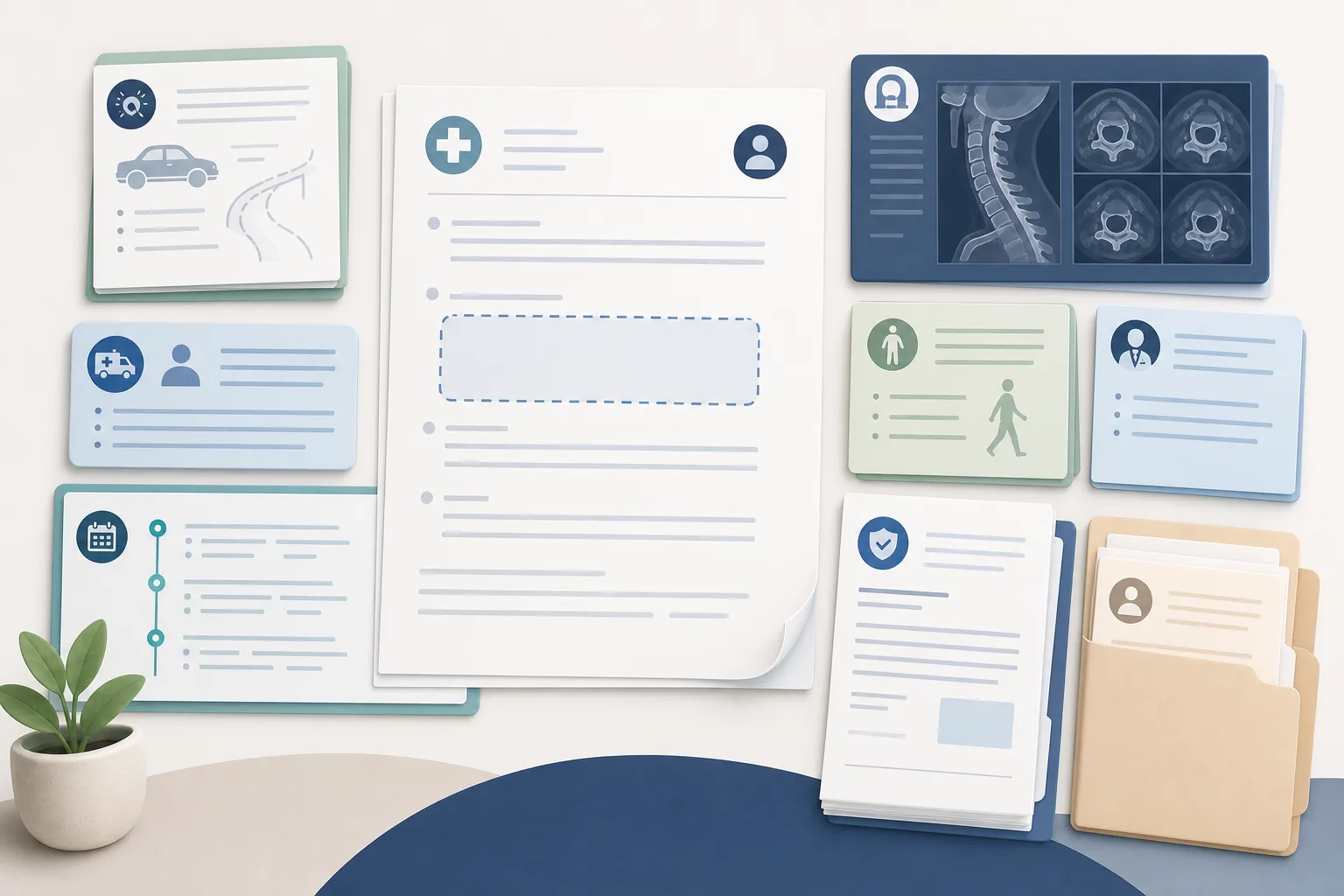
Key point
Put the whole claim on one timeline
Keep crash facts, medical records, imaging, insurer decisions, and function changes in one chronology so later disputes can be answered quickly and consistently.
Key point
Match evidence to the insurer’s stated reason
The strongest serious injury files do not just add more paper. They answer treatment, work capacity, and classification reasons point by point.
Key point
Use diagnosis pages plus the right review route
Start with the condition page that best matches the injury, then move into disputes, PIC, and WPI pages without losing the same-language route for family and treating team support.
Serious injury pages
What usually matters in serious injury CTP claims
- Early documentation: symptoms, mechanism of injury, functional limits, and treatment.
- Specialist evidence: the right specialist depends on the diagnosis (for example neurology, neurosurgery, orthopaedics, psychiatry).
- Functional impact over time: ability to work, study, care for yourself, and daily activities.
- Treatment approvals: disputes can arise about what is “reasonable and necessary”.
- Decision-ready summaries: a short chronology and issue list (for insurer reviews, PIC and advisers) can reduce delay and misunderstanding.
If you need help quickly, use the enquiry form — we can discuss the next step and what evidence usually matters.
First 14 days: practical setup that prevents avoidable disputes
In serious injury files, the first two weeks often shape what happens months later. You do not need perfect paperwork on day one, but you do need a reliable structure that ties treatment, function, and insurer communication together.
- Keep a single chronology document with dates for crash events, GP/specialist visits, certificates, imaging, and insurer decisions.
- Record function in plain terms (walking tolerance, lifting, concentration, sleep, personal care, driving), not just pain scores.
- Save insurer letters and reply against each stated reason, point-by-point, with one supporting record per point where possible.
- If treatment is declined, request reasons in writing and map those reasons to the next review step straight away.
Official framework behind serious injury CTP disputes
These sources set the legal and procedural frame behind serious injury claims in NSW. They do not replace tailored advice, but they are the best starting point if you want to test an insurer decision against the actual scheme rules.
- Motor Accident Injuries Act 2017 (NSW legislation)
- SIRA Motor Accident Guidelines
- SIRA claims assistance
- Personal Injury Commission, lodge a dispute
We have kept this hub practical on purpose. It is written to help you identify the diagnosis-specific page, the real evidence gap, and the right review path without overselling likely outcomes.
Frequently asked questions
Start with one diagnosis page, keep one shared chronology for treatment and insurer decisions, and move quickly on reviews if treatment, capacity, or classification issues are disputed.
- Is a serious injury automatically “non-threshold” in NSW CTP?
- Not always. The legal classification depends on the statutory definitions, the guidelines, and the medical evidence. If an insurer has made a classification decision, there may be review pathways.
- What should I do first if I have a serious injury after a crash?
- Prioritise medical treatment and ensure your injuries and symptoms are documented early. Preserve evidence about the crash and your functional impact. Strict time limits can apply in NSW CTP matters.
- Do serious injury CTP matters often involve disputes?
- They can. Disputes often involve causation, treatment approvals, work capacity, injury classification and medical issues. Some disputes may be determined through the NSW Personal Injury Commission (PIC) depending on the decision type.
- What evidence usually matters most?
- Consistent medical records, specialist reports, imaging where relevant, and clear evidence of functional impact over time. The right evidence depends on the diagnosis and the issues in dispute.
- How should I use this serious injury hub?
- Use the condition pages here as your starting roadmap: identify which diagnosis matches your injury, then follow the matching evidence and dispute sections for treatment approvals, work capacity and review pathways. In many cases, early alignment between treatment evidence and insurer decisions improves outcomes.
- Can an insurer rely on one short “good day” activity clip to say I have recovered?
- Not safely on its own. A short snapshot can be relevant, but it should be tested against your broader treatment timeline, symptom pattern after activity, medication changes, and day-to-day function over weeks and months. In practice, chronology beats isolated moments.