
The Internal Review Process: Challenging an Insurer’s Decision
If you disagree with a decision made by a CTP insurer—such as declining treatment, stopping weekly payments, or disputing work capacity—the first step in the dispute resolution process is usually an Internal Review. This gives the insurer a formal chance to correct errors and reconsider the evidence before the matter is escalated to the tribunal. General information only. NSW CTP outcomes depend on the actual evidence, the decision notice, and the applicable time limits.
Quick answer
If you disagree with a decision made by a CTP insurer—such as declining treatment, stopping weekly payments, or disputing work capacity—the first step in the dispute resolution process is usually an Internal Review. This gives the insurer a formal chance to correct errors and reconsider the evidence before the matter is escalated to the tribunal. General information only. NSW CTP outcomes depend on the actual evidence, the decision notice, and the applicable time limits.
Why this guide is structured this way
This page is written to help NSW CTP claimants understand deadlines, evidence, insurer decisions, and dispute pathways in plain language without overstating outcomes.
General information only. Your position depends on your facts, evidence, insurer response, and applicable time limits.
Official legal frame and public sources
These links are not a substitute for advice, but they are the main public-source anchors behind many NSW CTP questions on this page.
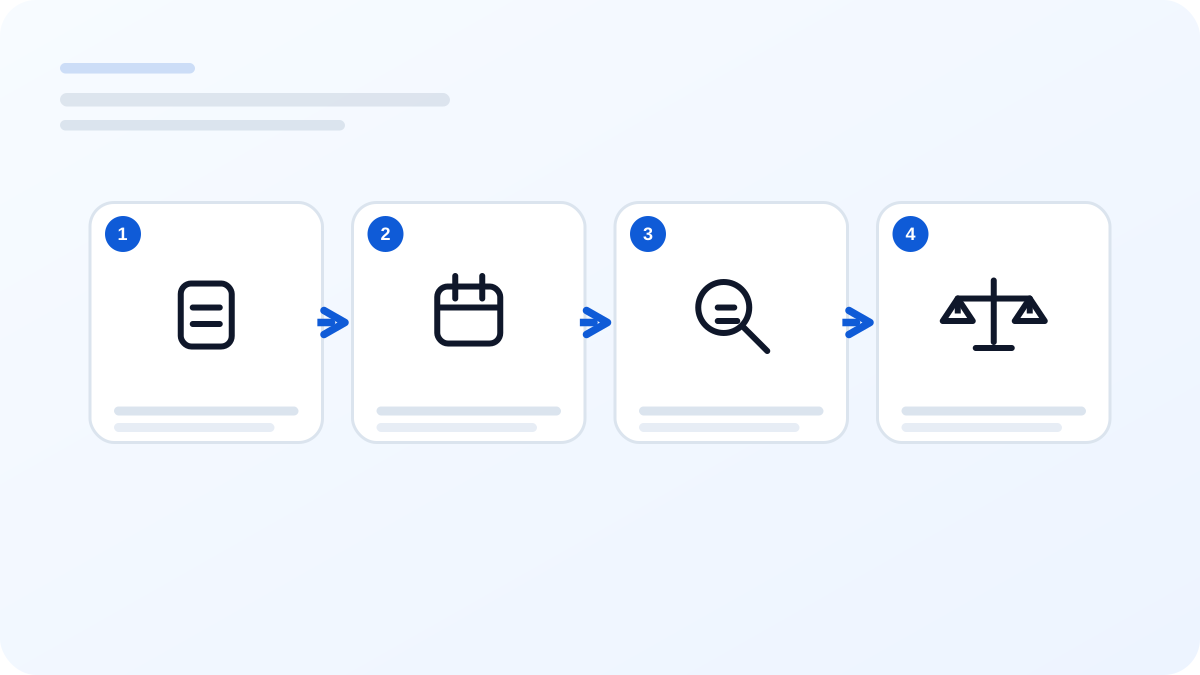
Top questions answered
How long do I have to request an Internal Review?
The Internal Review time limit depends on the decision type, the wording of the decision letter, and the applicable rule. 28 days is a common window in many matters, but it is not universal—always follow the deadline in your decision notice and get advice quickly if unclear.
How long does the insurer have to respond?
Once a valid Internal Review request is submitted, the insurer typically has 14 days to conduct the review and issue a new decision.
Is the internal reviewer the same person who made the decision?
No. The review must be conducted by an independent person within the insurance company who was not involved in making the original determination.
Need help lodging now?
Use our assisted claim lodgement portal and we will help prepare and submit your new claim.
What an Internal Review does in a NSW CTP dispute
An Internal Review is a formal reconsideration of a claim decision. It is mandatory for most types of CTP disputes before you are allowed to apply to the Personal Injury Commission.
It is conducted by an independent reviewer who works for the insurer but had no prior involvement in your claim.
How to prepare and request an Internal Review
Deadline warning: Internal Review time limits are not identical for every dispute. 28 days is common, but you must follow the deadline and rule stated in your insurer decision letter.
- Identify the Decision: Clearly state which decision you are disputing (e.g., the letter dated [Date]).
- Provide Reasons: Explain why you believe the original decision was wrong, referencing the facts of your accident and injury.
- New Evidence: This is the most important part. Provide a new doctor’s report, financial records, or witness statements that support your case.
Internal review requests are usually strongest when they answer the insurer's written reasons point by point rather than just saying the decision feels unfair. If the dispute is really about stopped weekly benefits, work capacity, threshold injury, or refused treatment, say that clearly and attach evidence tailored to that specific issue.
Read also: weekly payments stopped, capacity for work disputes, threshold injury disputes, and treatment refused.
What makes an Internal Review request stronger
The best internal review requests usually include a short chronology, the insurer decision being challenged, and evidence matched to each reason the insurer gave.
- Weekly payments disputes: wage records, certificates of capacity, employer material, and records showing why payments should continue.
- Treatment disputes: treating-doctor support, referral letters, imaging, and evidence showing the treatment is reasonable and necessary.
- Capacity disputes: current restrictions, treating opinions, rehabilitation material, and evidence responding to surveillance or insurer medical opinions if raised.
- Threshold / medical disputes: contemporaneous clinical notes, specialist opinions, and records that deal directly with diagnosis and legal classification.
If earnings are in issue, it can also help to separate the medical argument from the money calculation issue so the matter can be routed properly if it later needs the correct PIC pathway.
What outcomes can come out of the review
The Internal Review can have three results:
- Affirm: The original decision is upheld (not changed).
- Vary: The decision is partially changed in your favor.
- Overturn: The original decision is completely reversed in your favor.
Even where the insurer changes part of the decision, there may still be unresolved issues about treatment, weekly payments, or the correct dispute category. Preserve the correspondence and timeline carefully.
Mistakes that weaken Internal Review requests
Many review requests fail because they do not engage with the insurer's actual reasons or they mix several dispute types together without structure.
- Submitting only a short protest letter: saying the decision is unfair is rarely enough without evidence tied to the insurer's written reasons.
- Mixing different disputes together: for example, combining treatment, work capacity, and PAWE issues without separating the evidence and pathway for each issue.
- Ignoring chronology: failing to attach the decision letter, review request date, certificates, and key medical or wage records in a clear order makes later PIC escalation harder.
- Relying on generic treating support: short certificates or letters that do not answer the insurer's concerns often carry limited weight.
- Waiting too long to prepare: delay can create deadline risk and make it harder to gather employer, medical, or witness material while records are fresh.
When the dispute may need to move beyond Internal Review
Internal Review is often only the first stage. If the insurer maintains its position, the key question becomes what type of dispute you actually have and what evidence is still missing before escalation.
- Weekly benefits and PAWE issues: these often need careful separation between earning records and medical/capacity evidence.
- Treatment disputes: the insurer may accept the injury but still dispute reasonableness, necessity, or timing of treatment.
- Threshold and WPI disputes: these usually need diagnosis-specific or methodology-based evidence rather than broad statements about injury seriousness.
- Mixed decisions: one insurer letter can create several disputes at once, so correct stream selection matters before filing in the PIC.
Related guides: PAWE calculation, WPI assessment, independent medical examinations, and PIC medical disputes.
If the dispute is still not resolved
If the Internal Review does not resolve the dispute to your satisfaction, you have the right to escalate the matter to the Personal Injury Commission (PIC) for an independent determination by a tribunal Member or Assessor.
The next step is not always the same for every dispute. Some matters turn on merit review vs medical assessment, and some claimants also need to preserve linked issues such as PAWE calculation or the broader PIC process.
Frequently asked questions
- How long do I have to request an Internal Review?
- The Internal Review time limit depends on the decision type, the wording of the decision letter, and the applicable rule. 28 days is a common window in many matters, but it is not universal—always follow the deadline in your decision notice and get advice quickly if unclear.
- How long does the insurer have to respond?
- Once a valid Internal Review request is submitted, the insurer typically has 14 days to conduct the review and issue a new decision.
- Is the internal reviewer the same person who made the decision?
- No. The review must be conducted by an independent person within the insurance company who was not involved in making the original determination.