
Identifying the Correct CTP Insurer for Your Claim
To lodge a CTP claim, you must identify the insurer of the vehicle at fault. In NSW, there are several licensed insurers (like NRMA, GIO, Allianz, QBE). If you were at fault, or it was a single-vehicle accident, you generally lodge with your own vehicle’s insurer. General information only.
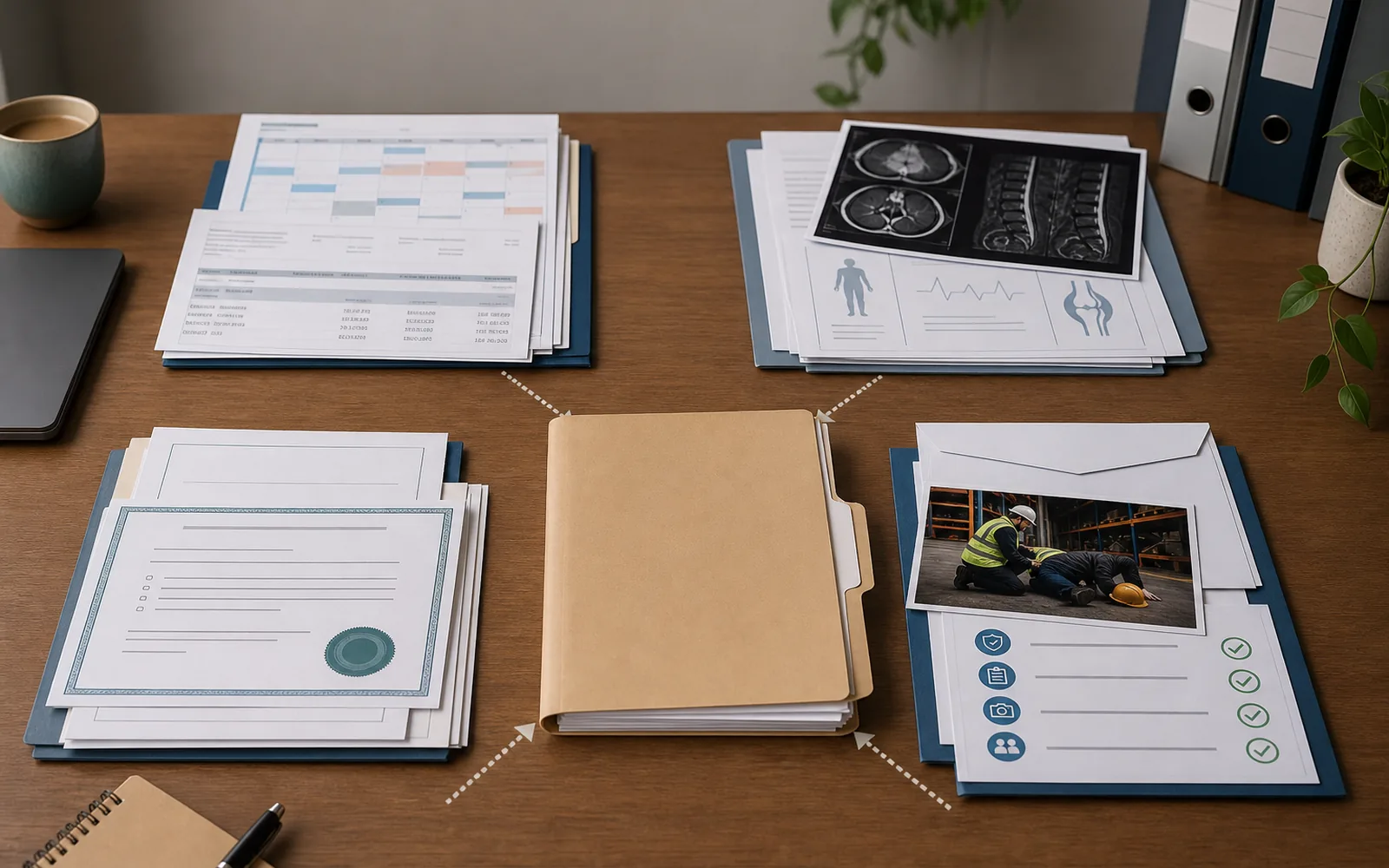
Key points to check
Use these points to match the guide to the document or issue you are dealing with.
How do I find out which company insures the at-fault vehicle?
You can use the "Free Registration Check" tool on the Service NSW website (https://check-registration.service.nsw.gov.au/frc?isLoginRequired=true). You will need the registration plate number of the vehicle and the date of the accident.
What if the at-fault vehicle is from interstate?
If the at-fault vehicle is interstate-registered, statutory benefits may be handled via the Nominal Defendant pathway in NSW, while common law damages may proceed against the interstate insurer. Get advice early because pathway and timing issues can be technical.
What if I was at fault for the accident?
In NSW, you still lodge your claim with your own CTP insurer. The current scheme provides benefits for both at-fault and not-at-fault drivers for at least the first 52 weeks (subject to threshold injury and degree of fault rules later).
Need help lodging now?
Use our assisted claim lodgement portal and we will help prepare and submit your new claim.
Who do I claim with?
If the at-fault vehicle is NSW-registered: identify that vehicle's CTP insurer using the Service NSW registration check and claim there.
If you were at fault / single-vehicle accident: usually claim statutory benefits through your own vehicle's CTP insurer.
If the vehicle is unidentified, unregistered, or hit-and-run: urgently assess the Nominal Defendant pathway and keep due-inquiry evidence.
If the vehicle is interstate-registered: statutory benefits and common law damages can run on different insurer pathways, so map both tracks early.
For NSW-Registered Vehicles
If the vehicle at fault has NSW registration plates, identifying the insurer is straightforward:
- Visit the Service NSW Free Registration Check.
- Enter the vehicle registration number (the license plate).
- Enter the date of the accident.
The result will show the CTP insurer for that vehicle.
Practical tip: it is usually best to have a specialist lawyer help prepare your Application for Personal Injury Benefits so injuries and entitlements are not missed. Contact us before you lodge if possible.
Unidentified or Unregistered Vehicles
If the other driver left the scene without providing details (hit-and-run) or if the vehicle was unregistered:
- You may be able to lodge a claim against the Nominal Defendant.
- The Nominal Defendant is a statutory body that acts as an insurer in these specific cases.
- Strict "due inquiry and search" requirements apply—you must show you tried to find the vehicle.
Read more: The Nominal Defendant pathway and due inquiry and search.
Interstate-registered at-fault vehicles
If the at-fault vehicle is registered interstate, the pathway can split:
- Statutory benefits: may be managed through the Nominal Defendant pathway in NSW.
- Common law damages: may be pursued against the interstate insurer.
Because this can involve two tracks, get advice early on evidence, limitation periods, and the order of steps. See Interstate insurer claim pathway.
What to do next if the insurer is still unclear
Do not treat 28 days as the general claim deadline. A statutory benefits claim is generally made within three months after the accident, while lodgement within 28 days is important if weekly payments are sought from the day after the accident. If the claim is lodged later than 28 days, provide the insurer with a full explanation for the delay where backdated weekly payments are sought.
If the registration search fails, preserve the vehicle, witness, police and search evidence and check whether an interstate, uninsured, unidentified-vehicle or Nominal Defendant process applies. Keep written proof of every insurer-identification enquiry and obtain advice promptly if the three-month period or a review deadline is approaching.
Frequently asked questions
- How do I find out which company insures the at-fault vehicle?
- You can use the "Free Registration Check" tool on the Service NSW website (https://check-registration.service.nsw.gov.au/frc?isLoginRequired=true). You will need the registration plate number of the vehicle and the date of the accident.
- What if the at-fault vehicle is from interstate?
- If the at-fault vehicle is interstate-registered, statutory benefits may be handled via the Nominal Defendant pathway in NSW, while common law damages may proceed against the interstate insurer. Get advice early because pathway and timing issues can be technical.
- What if I was at fault for the accident?
- In NSW, you still lodge your claim with your own CTP insurer. The current scheme provides benefits for both at-fault and not-at-fault drivers for at least the first 52 weeks (subject to threshold injury and degree of fault rules later).
- What if an insurer says I have claimed against the wrong entity because ownership changed near the accident date?
- Ask for written reasons and the exact policy period they rely on. Then preserve both pathways in parallel: lodge with the insurer shown on the registration check for the accident date, notify the alternate insurer if transfer timing is disputed, and keep RMS transfer records, police facts, and photos in one chronology. This reduces the risk of limitation damage while the identity dispute is sorted.
- What if 28 days is approaching but insurer identity is still disputed?
- Do not wait for insurers to sort it out privately. The general statutory-benefits claim period is three months after the accident. Lodging within 28 days is significant if weekly payments are sought from the day after the accident; a later claim may require a full and satisfactory explanation for that backdating. Lodge promptly using the best available accident-date evidence and notify any plausible alternate pathway in writing.
Sources
Official public sources relevant to this guide.